A Piece of Light
Interview with Emmanuel Barrois
A Piece of Light
In 1914 the poet and architectural theorist Paul Scheerbart published Glasarchitektur (Glass Architecture), arguing for the transformative potential of glass in society. Calling for the use of “diamond” and “crystal” in building, he imagined brilliant, kaleidoscopic cities that would unite and inspire the collective human psyche and lead to an egalitarian utopia. Beneath the quasi-religious fervour, Scheerbart understood the spiritual role glass had played for centuries, and at a time when industry threatened to flatten that meaning was preaching a kind of resistance. He would have approved of Emmanuel Barrois.
Emmanuel is a master craftsman and an engineer. He understands both the historic significance of glass and the capacity for technology to push that meaning further, for the biggest names in architecture and in his own diaphanous structures. His atelier has had somewhat of a monopoly on "glass architecture" for multiple decades and remains unrivalled in the quality of its approach and output. The craft–tech, history–future dialectic makes it no surprise that Emmanuel is working with the Taller.

For much of the 20th century architects were concerned with making glass as “nothing” as possible, with invisible window frames and smooth, infinite surfaces. What you’re doing seems like the opposite: making the glass a “something”, a focus or feature of the architecture. How would you describe your approach to glass?
In the world of glass, there are big industrial companies with tens or hundreds of thousands of people working for them. The result of this work is glass with good mechanical resistance, high specifications, but no aesthetic. At the opposite end of the spectrum there’s craftwork: blowing glass, stained glass windows, things like that. The craftsman is normally working to create an object, rarely on surfaces or on any large-scale projects.
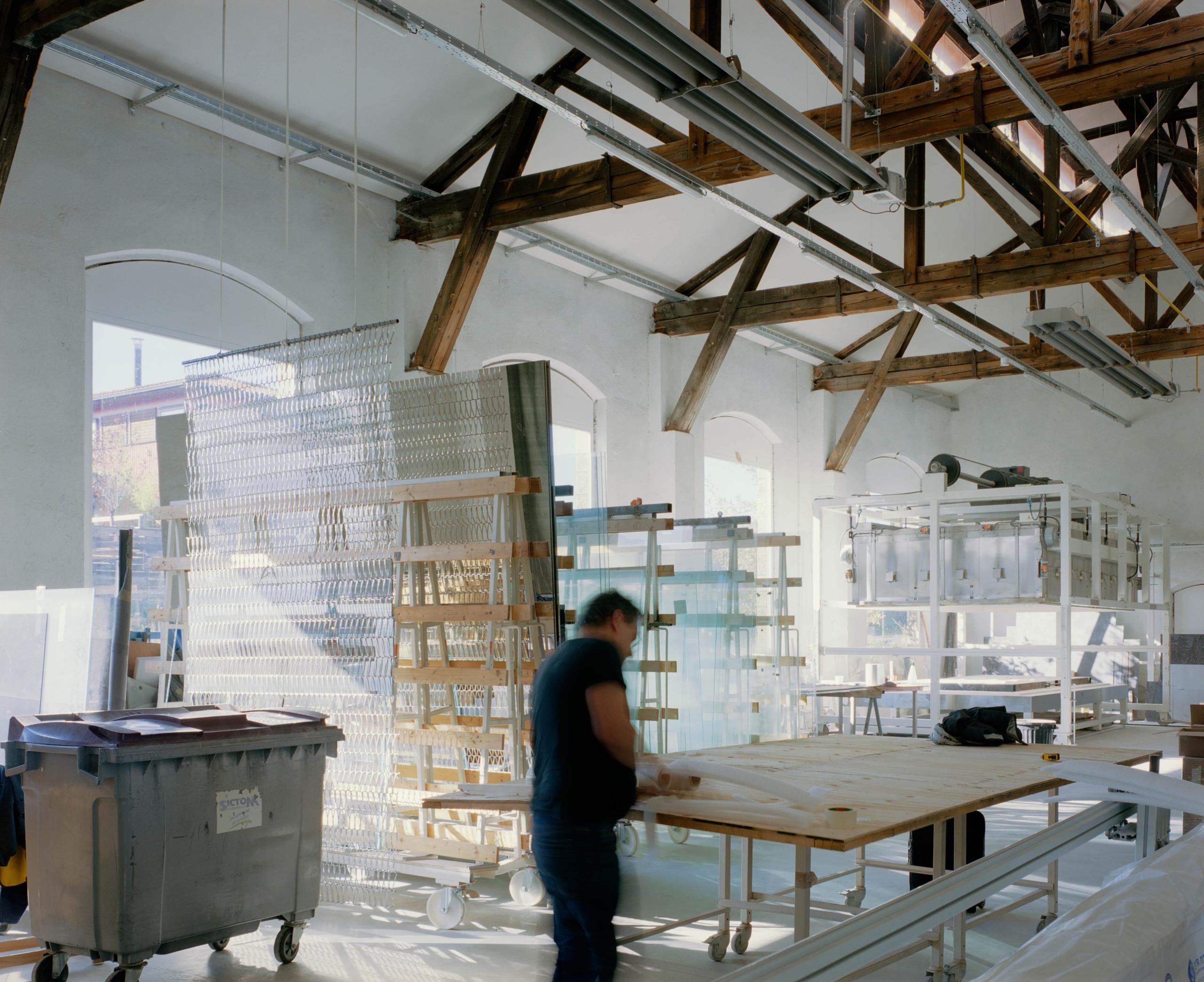
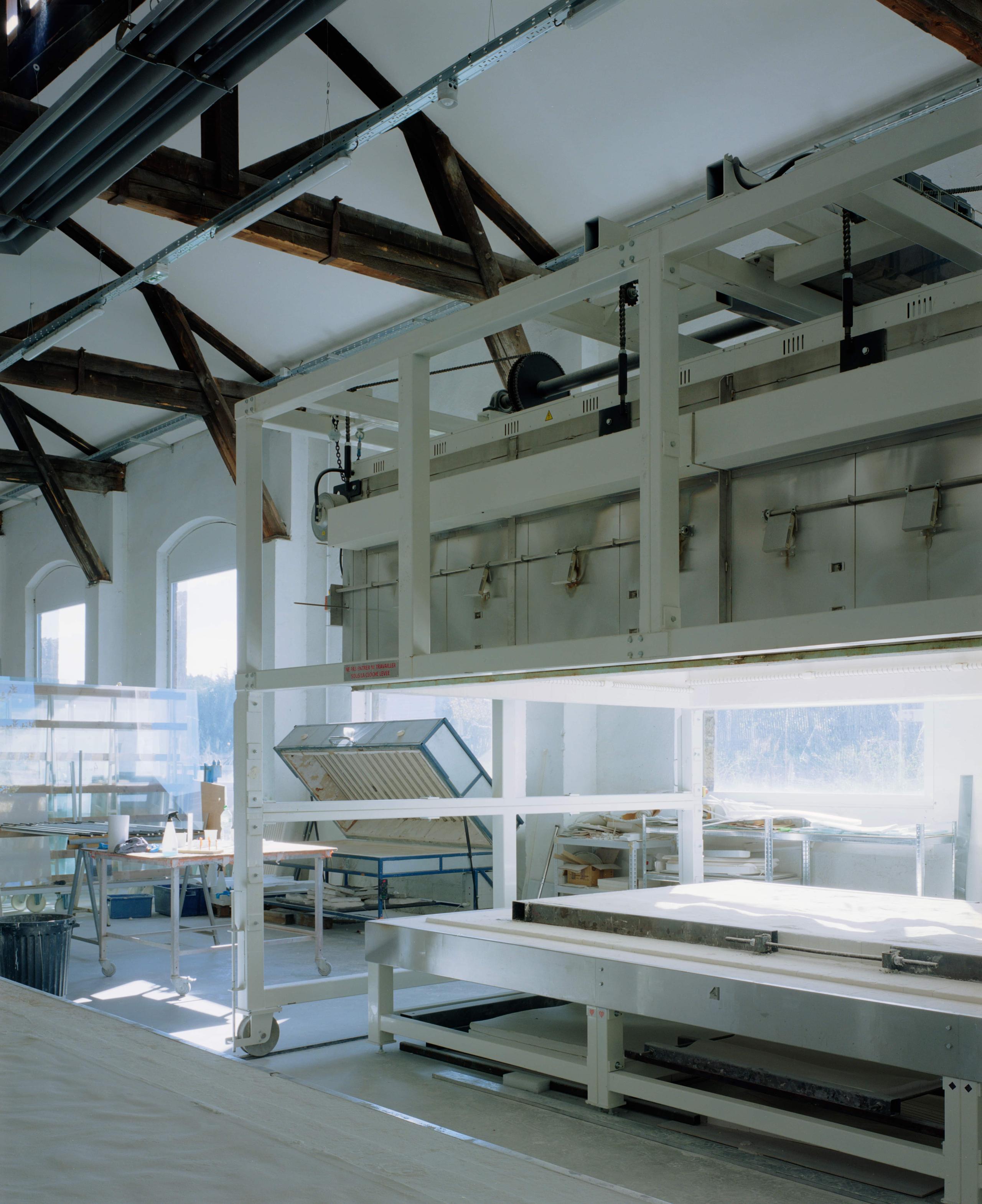
Our approach is a kind of hybridisation of both. We use traditional craft techniques, sometimes from 1000 years ago, hand-made, and combine them with industrial techniques, with the numeric and the parametric. These projects can’t be carried out by heavy industry, and craftsmen can’t do them either. And in fact, the techniques we’re using with the Taller have been created specially for the project, so they’ve never been seen before.
You still collaborate with galleries and artists, but the demand from architects now seems to make up the majority of your work, particularly internationally. Where are you working and with whom?
My company is a small one – about twenty of us here in Brioude – but around 85% of our work takes place outside France. We work everywhere, and with some of the best architects in the world. At the moment we’re collaborating with Norman Foster on a project in London and with Jean Nouvel on a project in Japan. We have three projects underway in New York, several in the Gulf region, and one in Switzerland. In the past, we’ve worked in Kazakhstan and Russia as well. We’re at a point now where we can choose what we want to take on, so where and with whom we work really depends on the project..
How have you found working with the Taller?
The idea of La Fábrica as a laboratory – this spirit, this philosophy of architecture is the same as mine. When I work with Norman Foster, I work with an architect. When I work with Kengo Kuma, I work with an architect. When I work with the Taller, I work with friends. It’s a very special relationship with a very high level of intimacy. We can all say exactly what we think and what we want – anything is possible. And that’s also because of the client. When you make something this exceptional and on this scale, of course you need money. But it’s not a luxury building as such. It’s an extraordinary building.
I’ve stopped doing this now, but in the past I worked for luxury brands on luxury buildings. I worked for Cartier, for Hermès, for the Fondation Louis Vuitton in Paris. The architect there was Frank Gehry, the building was very technical and the LVMH group was very rich, naturally. But luxury is not the same as spiritual. I think the work with the Taller will be more sensitive, more poetic. It’s difficult to put into words. It’s not easy to convey in a picture or a drawing either because the effect is so three-dimensional. It’s really an experience that has to be lived.
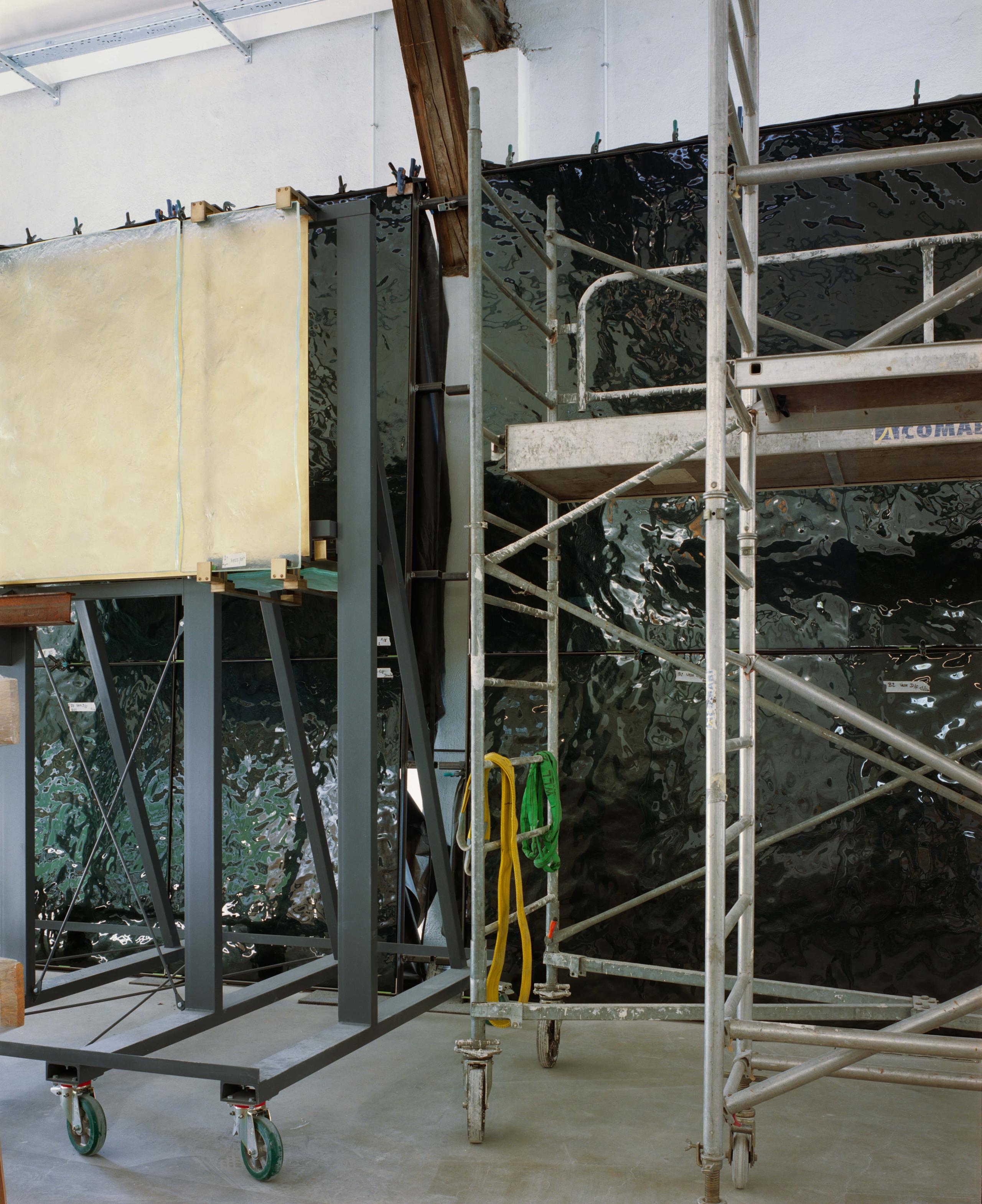
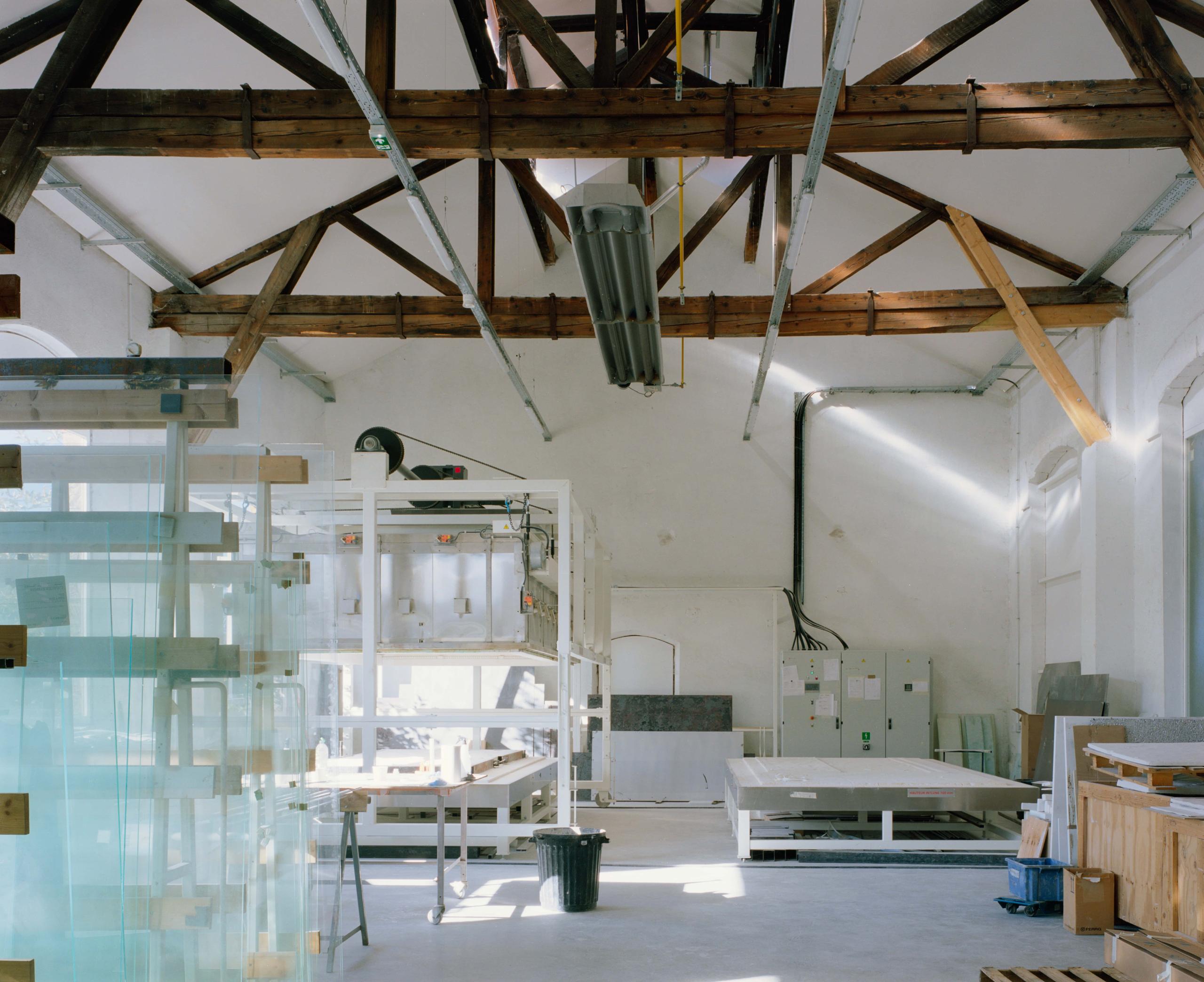
I saw a video the other day of a blind girl sitting next to a glass partition and telling her boyfriend how absurd it is that he can both see the glass and see through it. She was exasperated by the idea. Why do you think glass is so difficult to describe?
It’s difficult to describe because it’s not really a question of glass, it’s a question of light. To me, glass is not exactly a material. Glass is solid light, a piece of light. When you have glass that is perfectly flat and transparent, it almost isn’t there. But when glass catches the light, catches the sun, then it gains a materiality. We can apply hundreds of techniques to glass to create new materialities, new ways of making it speak. Ways of saying things with light that would be impossible to express in words. Writers use words to create a world; we use light.
Do you think this ineffability is connected to the spiritual dimension of light?
The relationship between light and spirituality has existed for thousands and thousands of years. At the beginning of almost every tradition there is light. I was discussing this with my wife recently. She’s Japanese and in Japan’s first religion, Shinto, there are many gods. The chief deity is essentially called “Big God”. She's a woman, and she's the princess of the sun, the creator of light itself. She stands at the origin of everything. Another example is when Christian communities historically built churches, the orientation of the building was determined above all by the path of light. The architecture is conceived around a spiritual understanding of how light enters and moves through space.
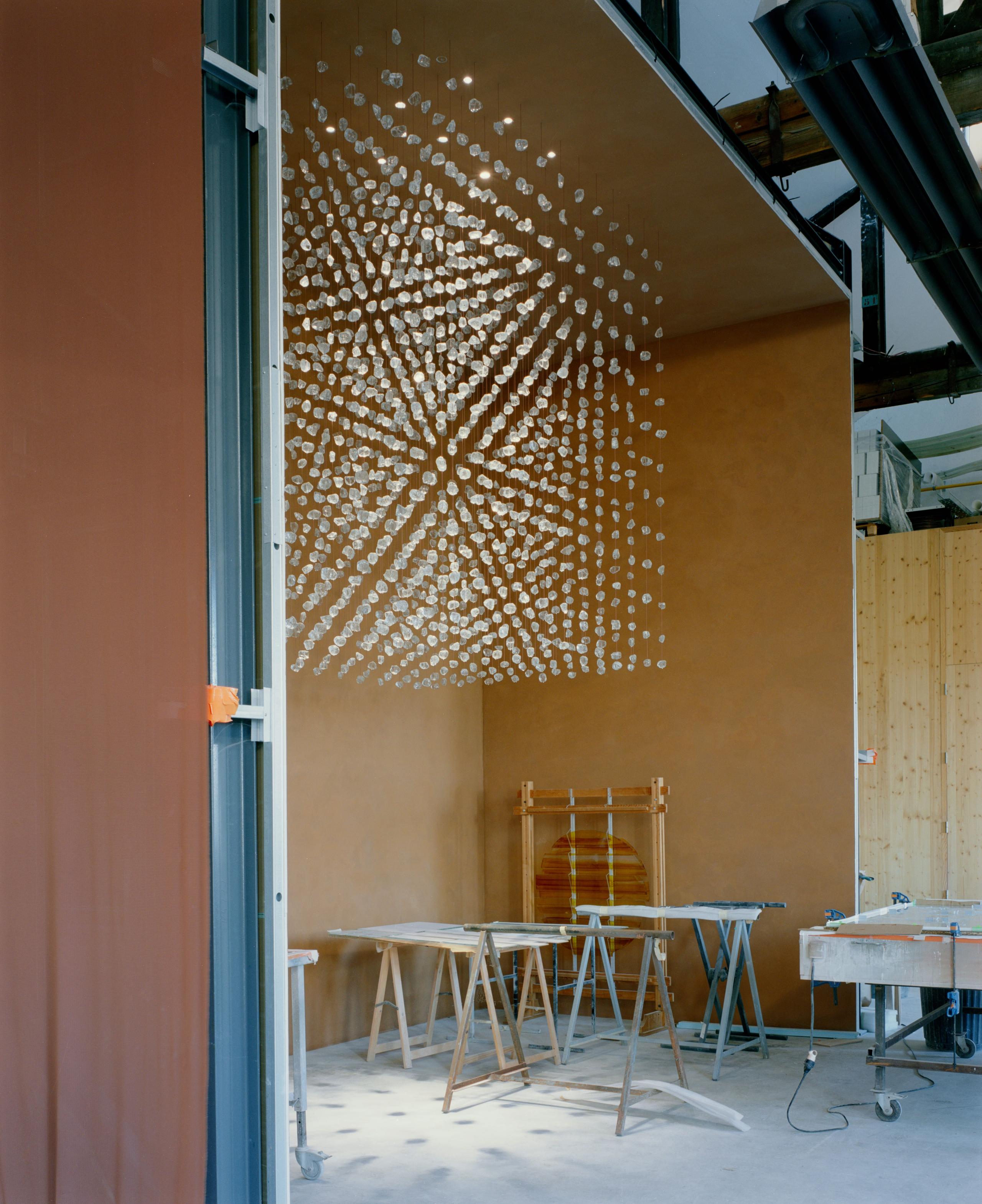
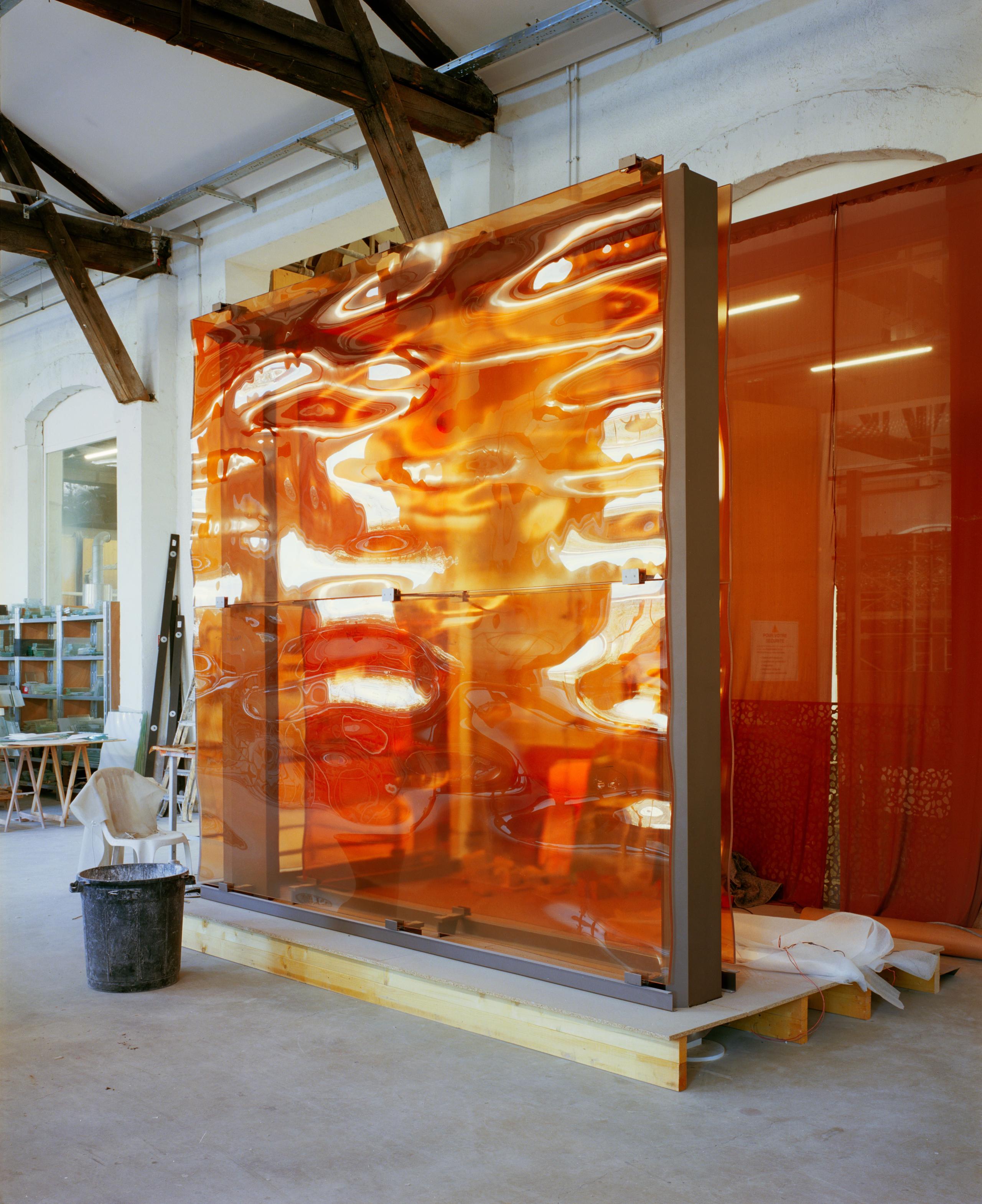
Could you talk me through the concepts and techniques behind your work with the Taller?
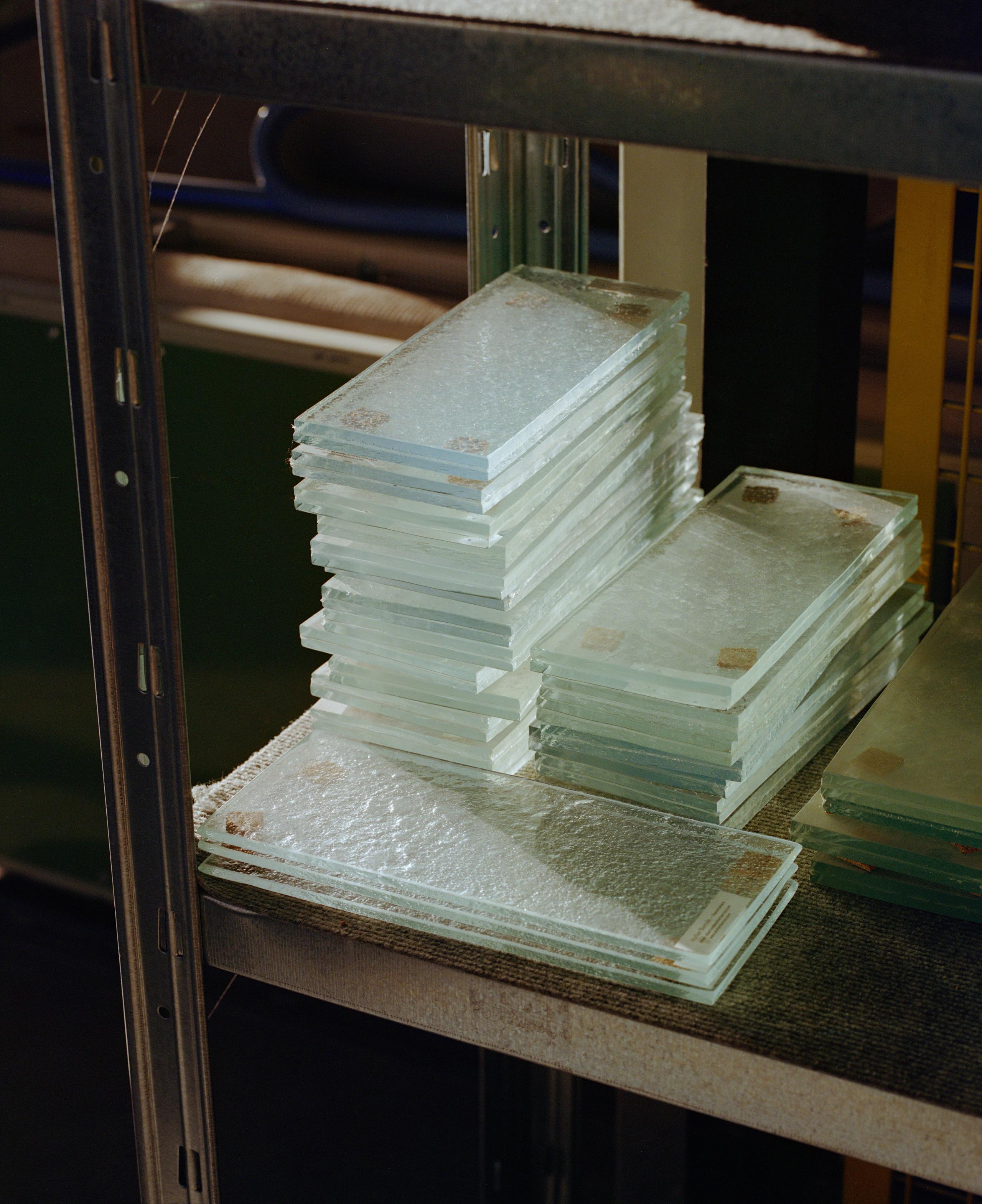
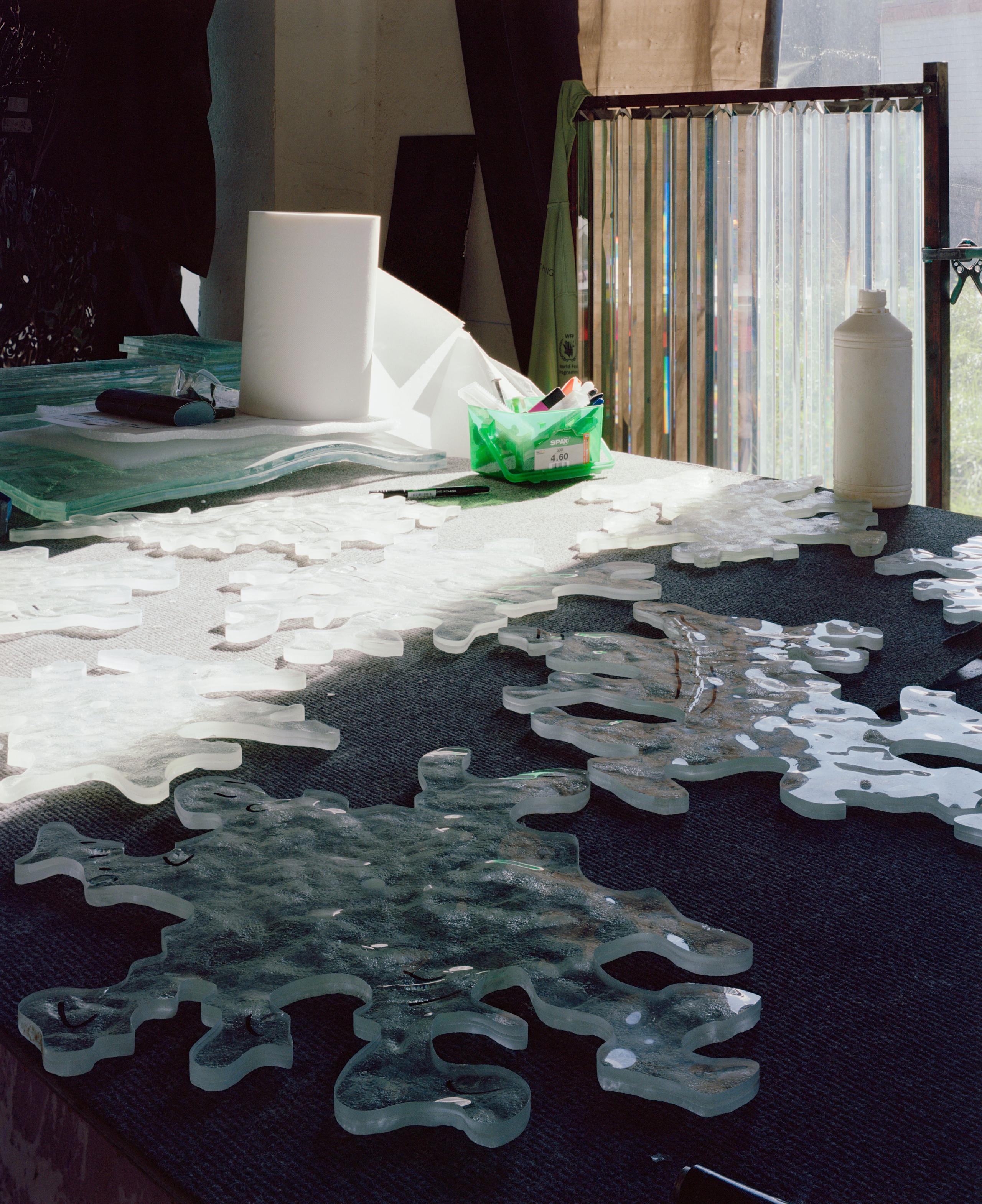
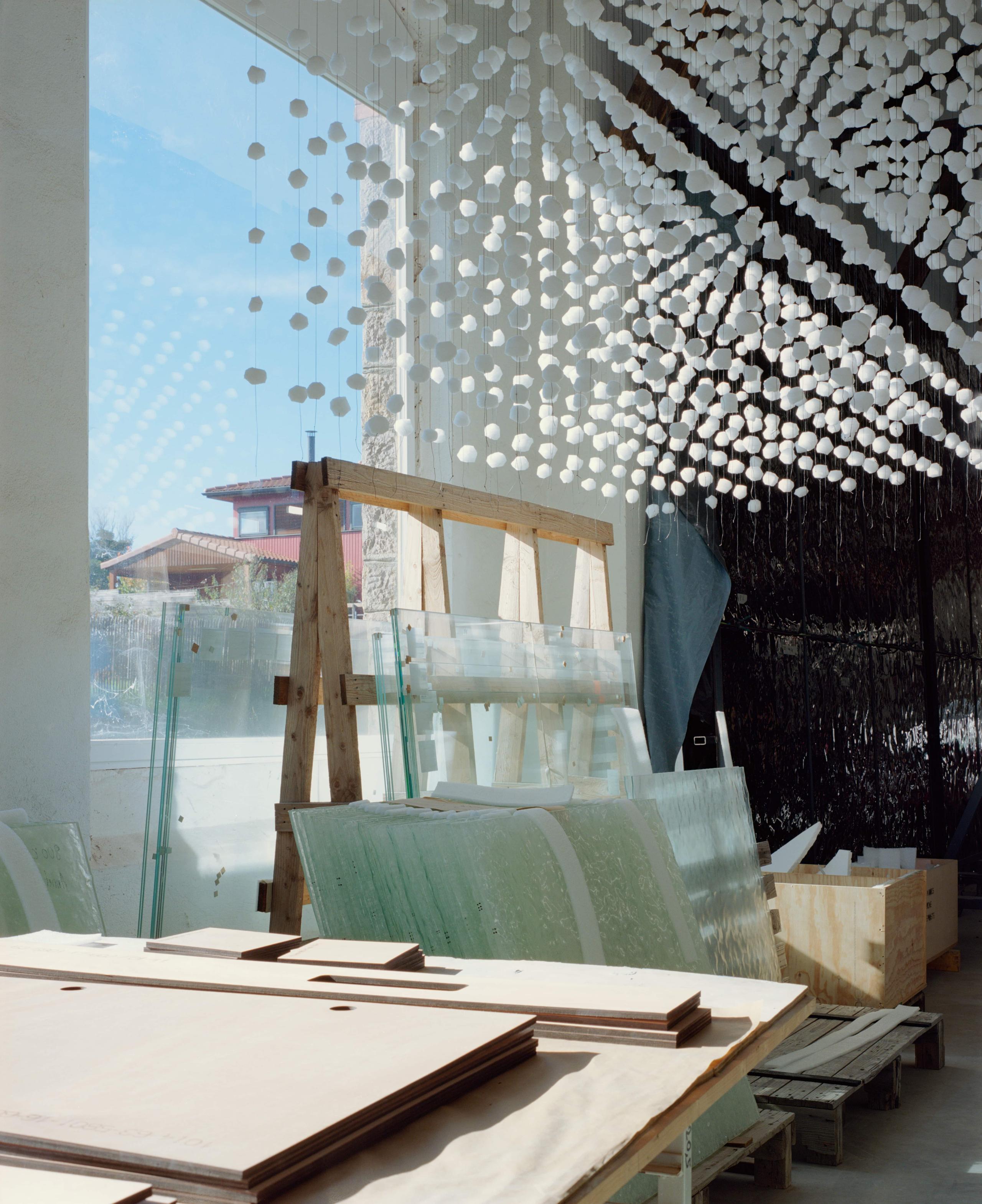
Really we were looking at the spirit of the place. One of the works is a kind of cubic cloud of glass, and this cube is made from 32,000 individual pieces chiselled to look like stones found in the desert. Not the dunes, but the flat desert, where there are billions and billions of stones. Big ones, small ones. We’re creating medium-sized stones in an organised pattern. We use glass bricks, cut them into cubes with machines and then sculpt them by hand. It’s as if we're carving 32,000 individual sculptures. Each piece has a hole drilled and is then suspended on a cable that hangs to form the cube.
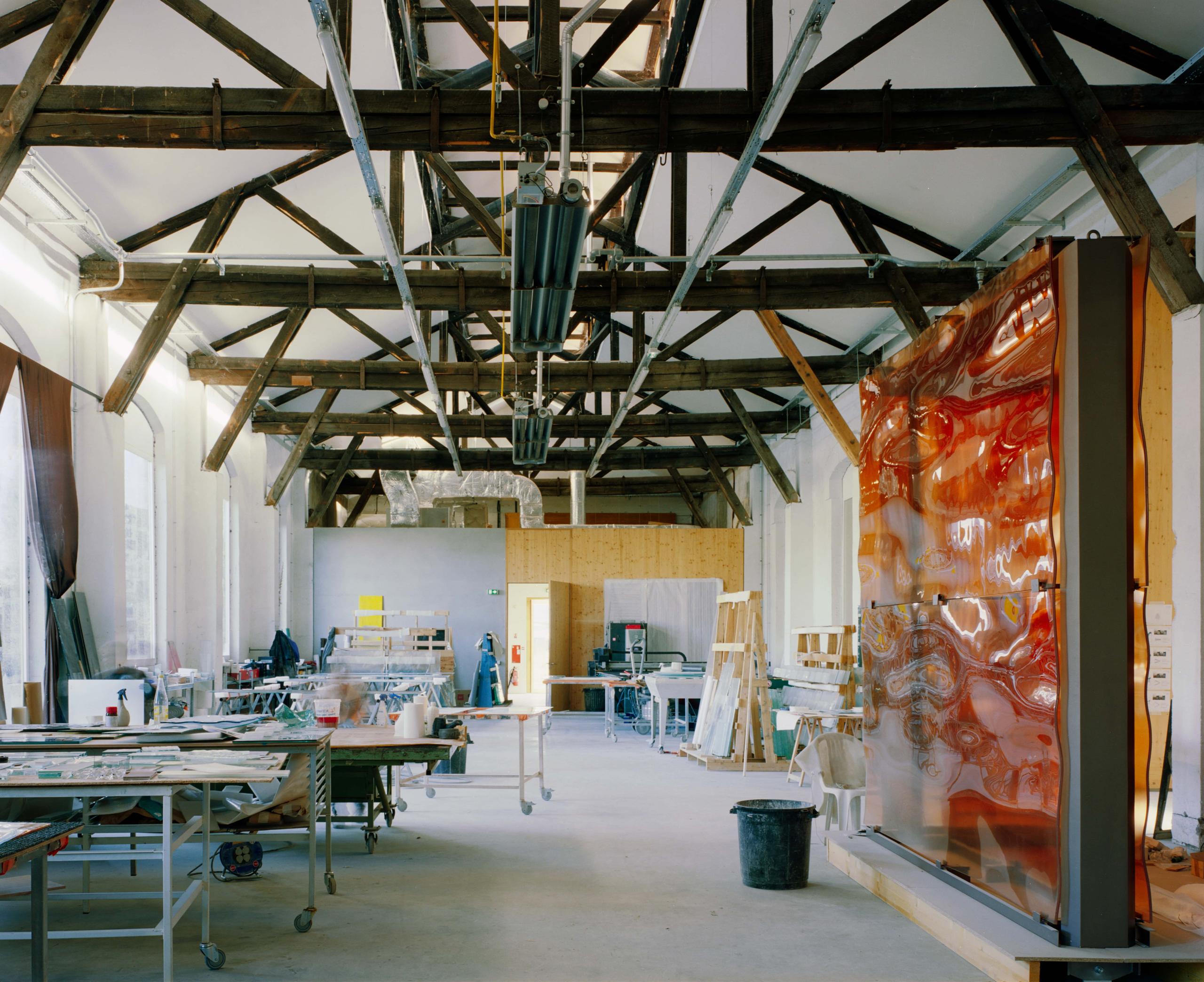
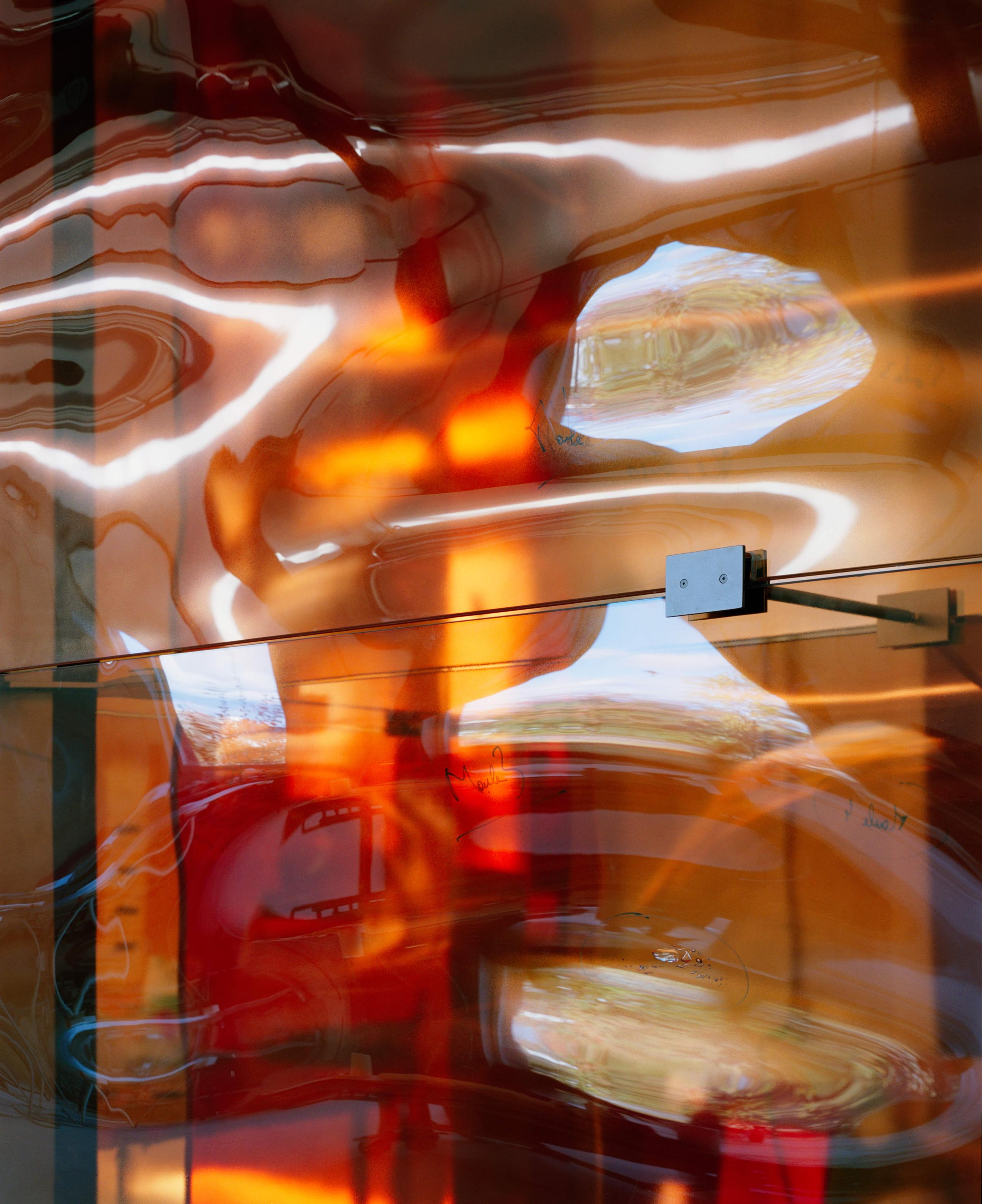
We’re creating a dune-like landscape for a different work, with large glass panels in an amber colour curved in 3D. This piece is a great example of our approach: combining very old glass-curving techniques with advanced CNC technology. It’s very efficient and very effective. Then the third work is inspired by traditional textiles. These are walls made with strips of 3D-curved glass, woven together in a textile pattern.
Tell me more about the inspiration of the desert.
The whole subject of the desert, the Bofill family and myself is a very special one. As you know Ricardo spent a great deal of time in the desert, particularly in the south of Algeria in the Sahara. Pablo has as well. And so have I. When I was young I lived for sixteen months in the desert working with Tuareg communities. I had a completely different life before working with glass. I had studied agriculture with the intention of working in different countries and supporting humanitarian organisations helping people in poverty. I spent about four years doing that, working in northern Mali and Mauritania, and afterwards in Afghanistan during the war.
So when I met Pablo we immediately shared this fascination with the desert, its light, its sense of scale. When we work together now, we don’t always need to speak; we already know exactly what the sensation is. The first time I came to the Taller with some glass prototypes, it took maybe five seconds to see Pablo’s reaction. He saw the glass and we all understood that this would be the beginning of a very special relationship. I think it comes from the spirit of the desert. And you could see that same spirit in Ricardo’s architecture – the colours of the desert, the textures of the desert.
I think there's also the purity and immensity of the desert somewhere. I know Dimitri, whose team you’ve been working with, has been designing for desert landscapes for many years and creating buildings on a suitably epic scale too.
And if you’ve met Dimitri, you can imagine the quality of the team. Dimitri is an incredible person, and Callum, the project director, is also wonderful. And Beatriz as well. As you can tell, many people from different countries are contributing to this work: French, Scottish, Spanish, and our engineer is German. The project is incredibly complex. It means a lot of work, sometimes late at night, and I’ll be working this weekend too. But it doesn’t really feel like work. It’s a way of life. I spend my time with very interesting people from all over the world, and together we try to make beautiful things. Not so bad.
Photos by Gregori Civera