63rd Salone del Mobile:
Sam Chermayeff Office
Boxes
63rd Salone del Mobile
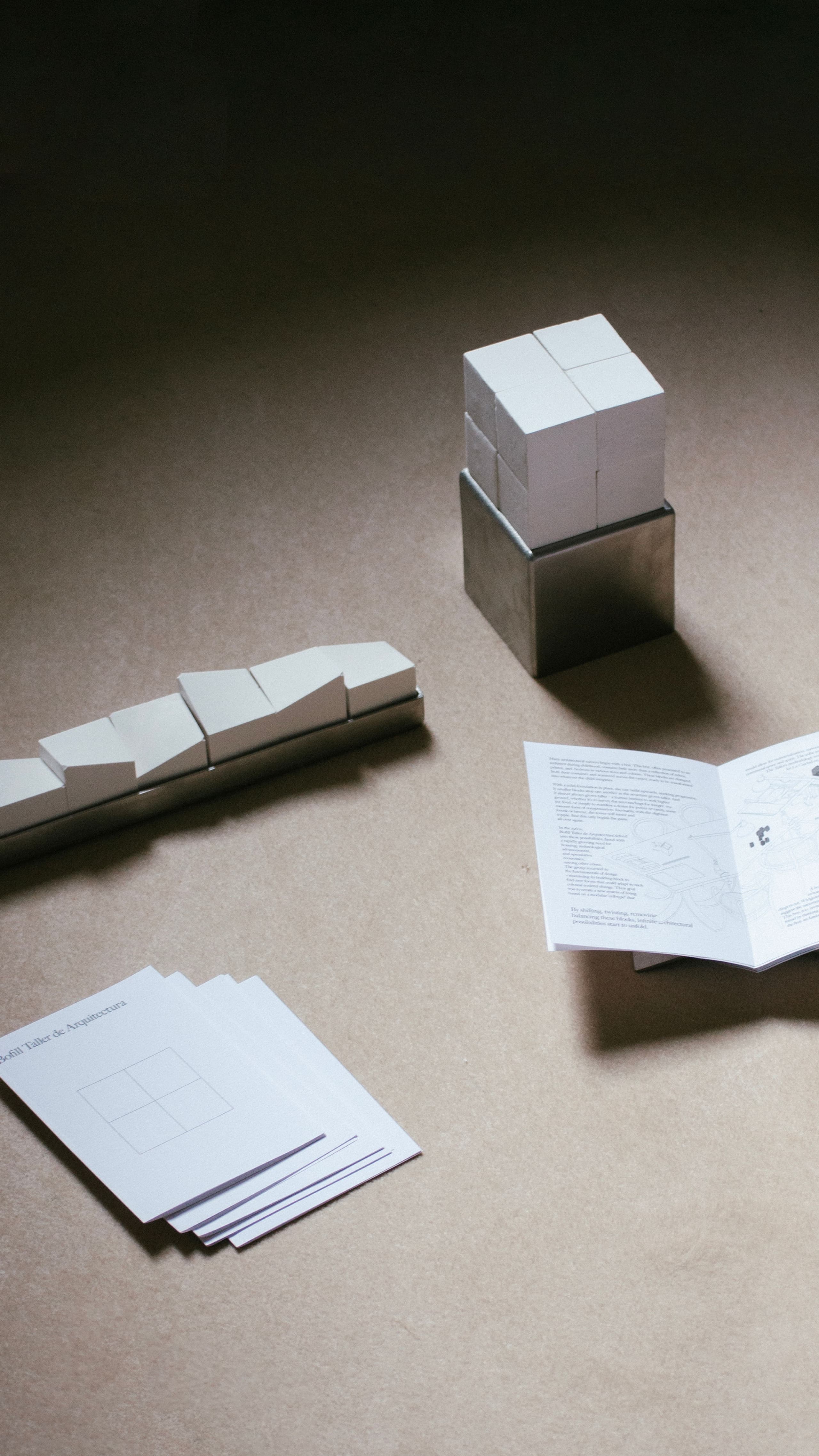
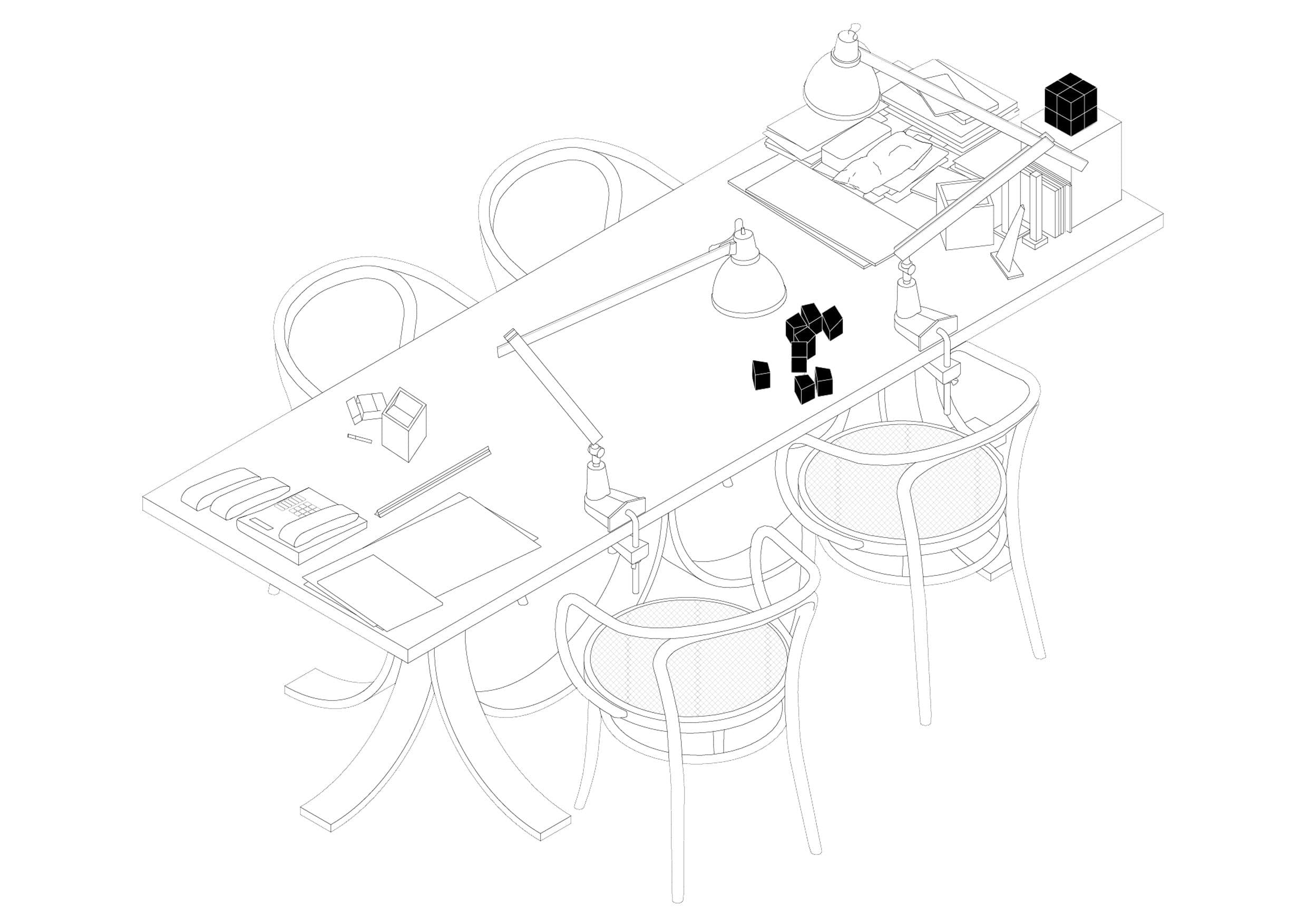
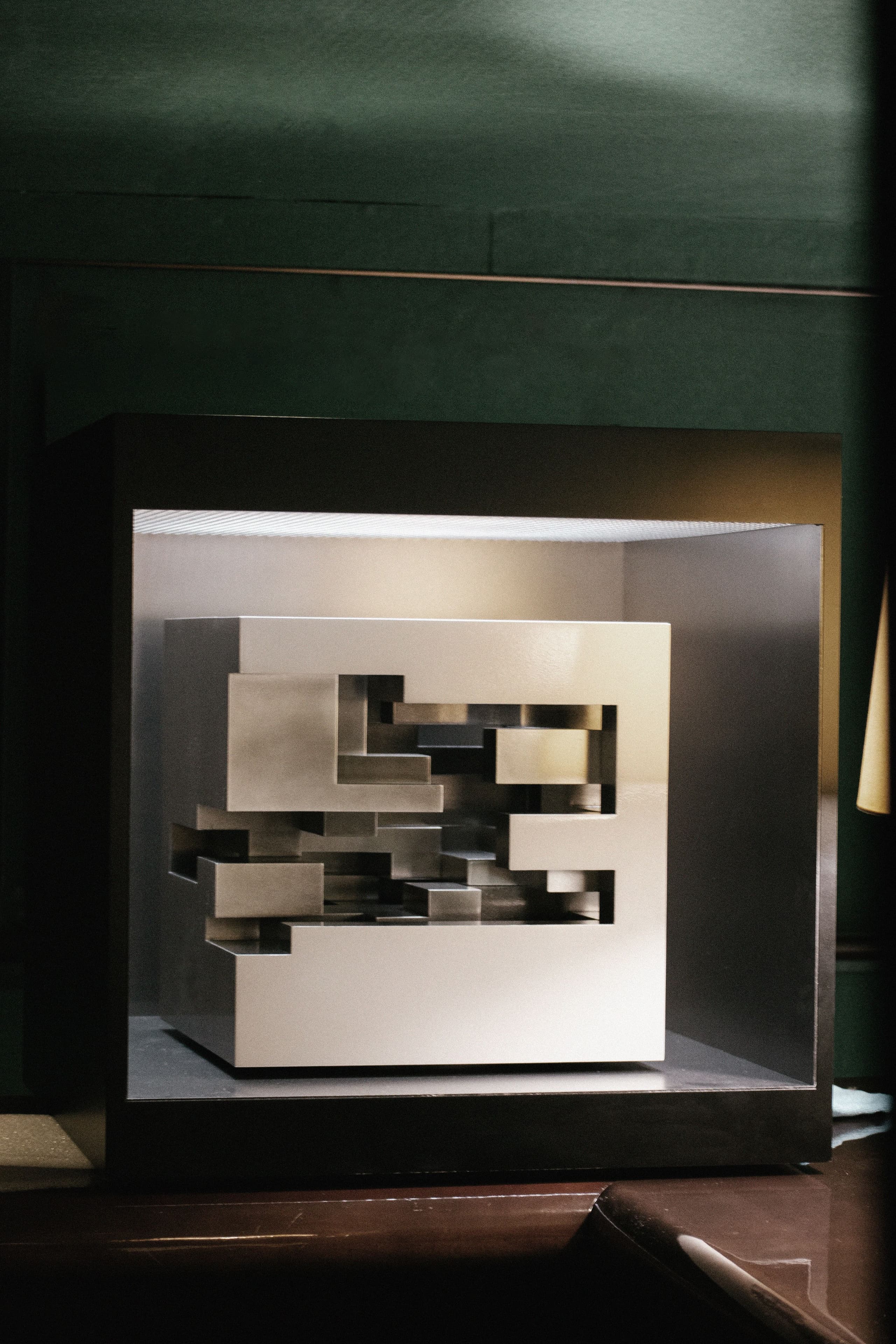
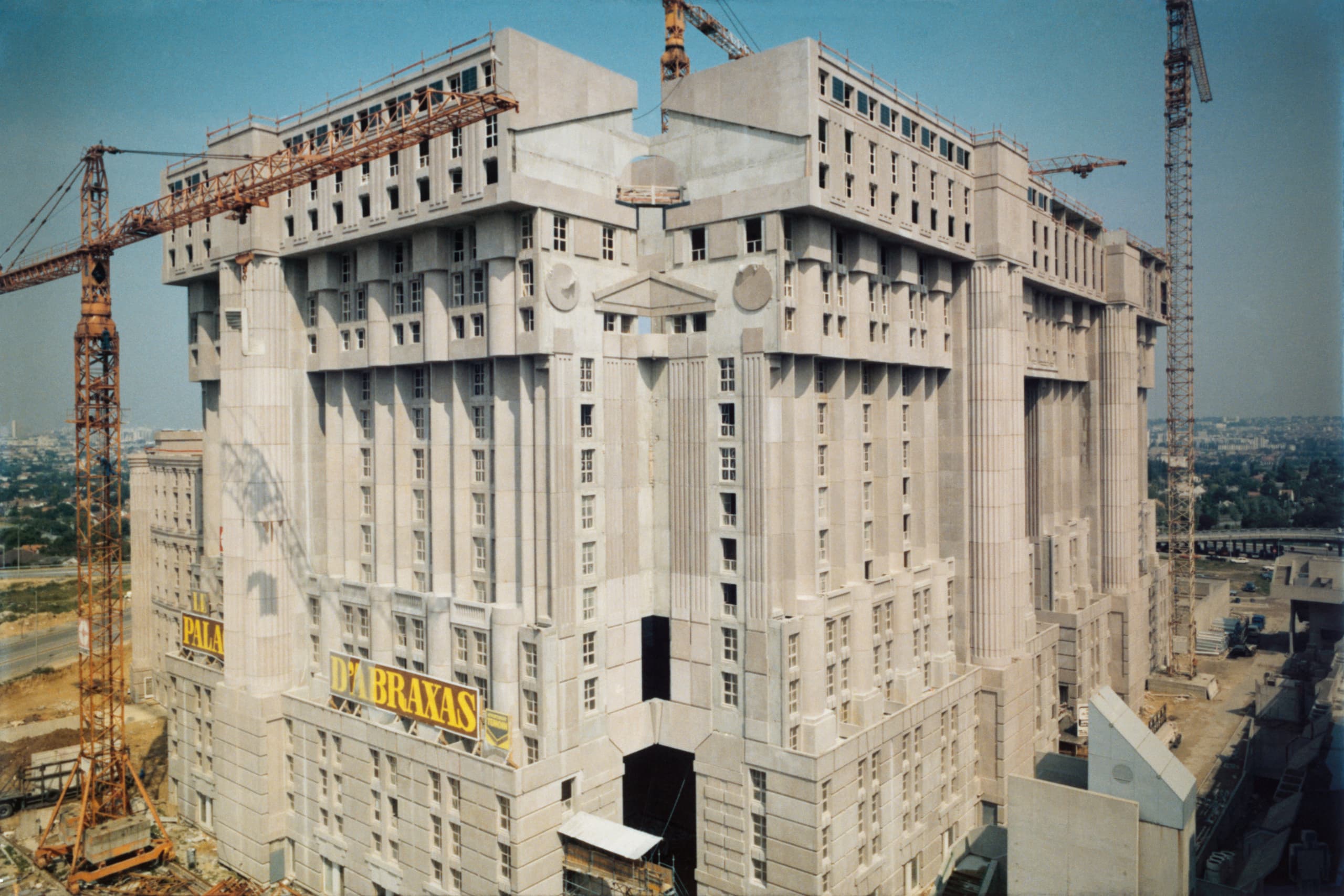
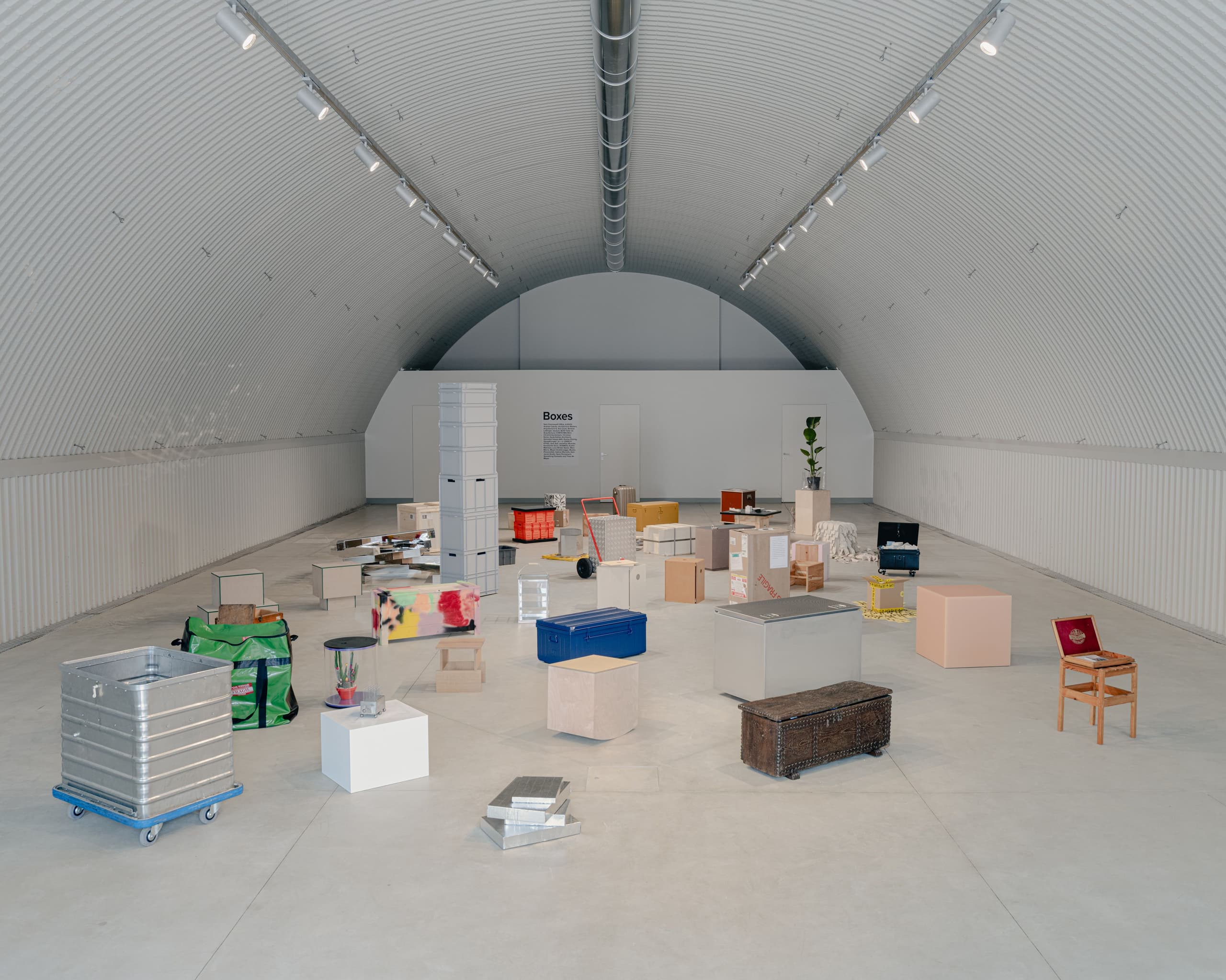
Think outside the box, they say – but what was inside the box to begin with? Who is to say the contents of a proverbial box are less interesting than the world beyond it? Schrödinger’s cat reminds us that what is “inside” may remain unresolved until it is observed at all; Wittgenstein’s beetle suggests that what is inside may never be fully shareable; Ursula K. Le Guin’s carrier bag reframes the container as the original form of narrative and survival. The box is not empty but full of meaning and possibility. Thinking within it, and about it, has produced some of the theories that best describe our being. For the 63rd edition of Salone del Mobile, Sam Chermayeff Office asked thirty architecture studios to design, assemble, upgrade, recycle, or acquire a box, sending their contributions to the Dropcity Centre for Architecture and Design. Below is the Taller's response: a replica of a box that lives permanently on Ricardo Bofill's desk.
Many architectural careers are said to begin with a box. Presented to an architect during her childhood, this mythological box typically contains an array of cubes, prisms, and -hedrons crafted from wood or plastic in various sizes and colours. At some point, these blocks are dumped from their container onto the carpet, to be transformed into whatever the child-architect fancies.
Assuming the child-architect has some level of tactile intelligence, she quickly learns that a stable structure begins with the largest blocks placed first. With a solid foundation in place, she then builds upwards, stacking progressively smaller blocks atop one another as the structure grows taller. (The structure often grows taller. There may be something to do with the human instinct to seek higher ground here – to survey the surroundings for danger, water, and food, as well as towards vanity or the desire to overpower.)
With a slight knock or breeze, the tower will eventually teeter and topple, but this only begins the game all over again. If the child-architect tires, she may shift her focus to building outward instead of upward – a castle, a farmyard, an entire village. If she bores of this too, the blocks will be set aside in favour of a ball or a teddy or an iPad, and packed back into the box for another day.
But decades later, the adult-architect will recall in an interview or auto-biography the hours she spent playing with these blocks with great nostalgia. However romantic, her memory will acknowledge an essential truth: that the box contains the genesis of all architecture.
Cover photo by Jeroen Verrecht.