Totem
Luna Paiva at La Fábrica
Totem
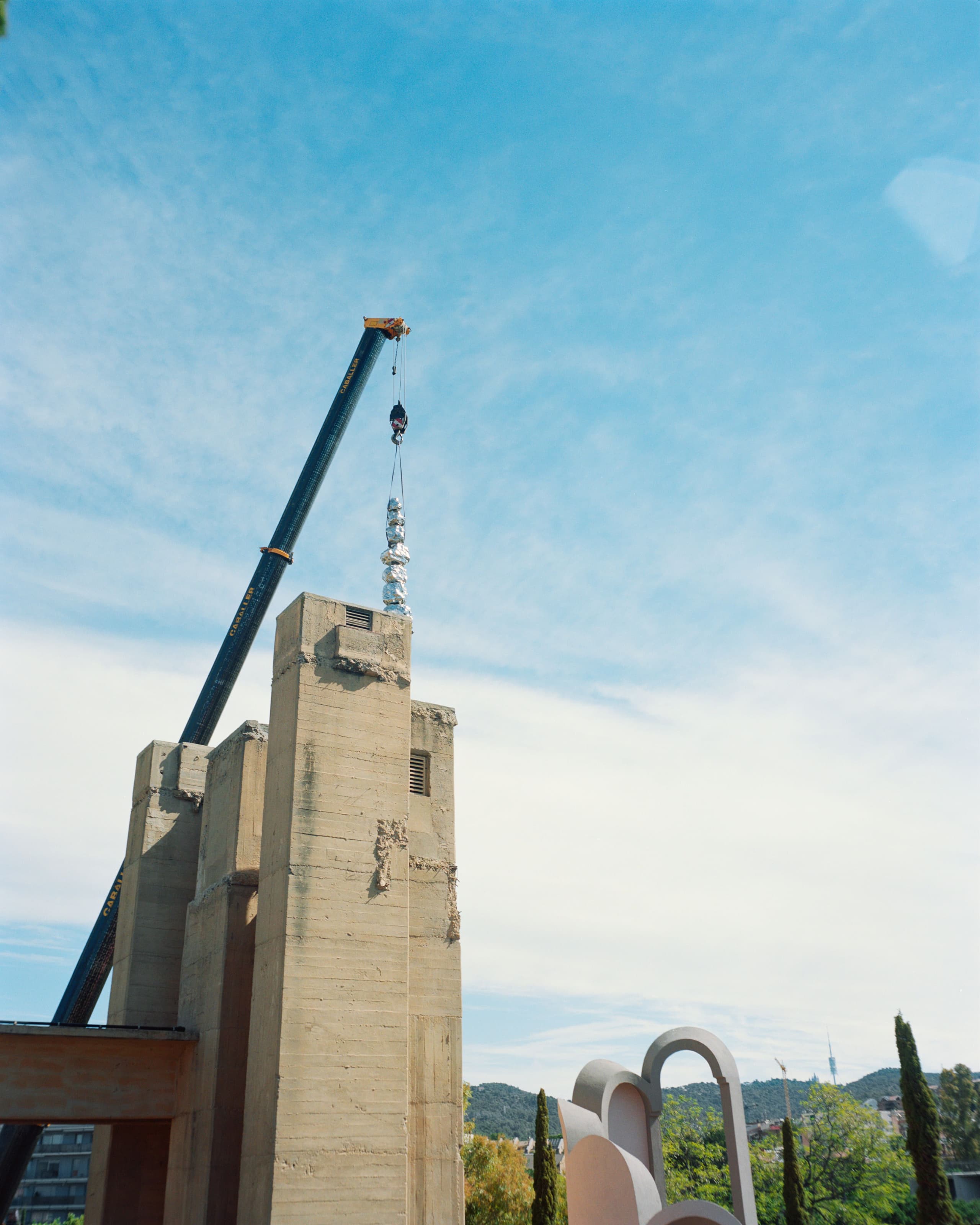
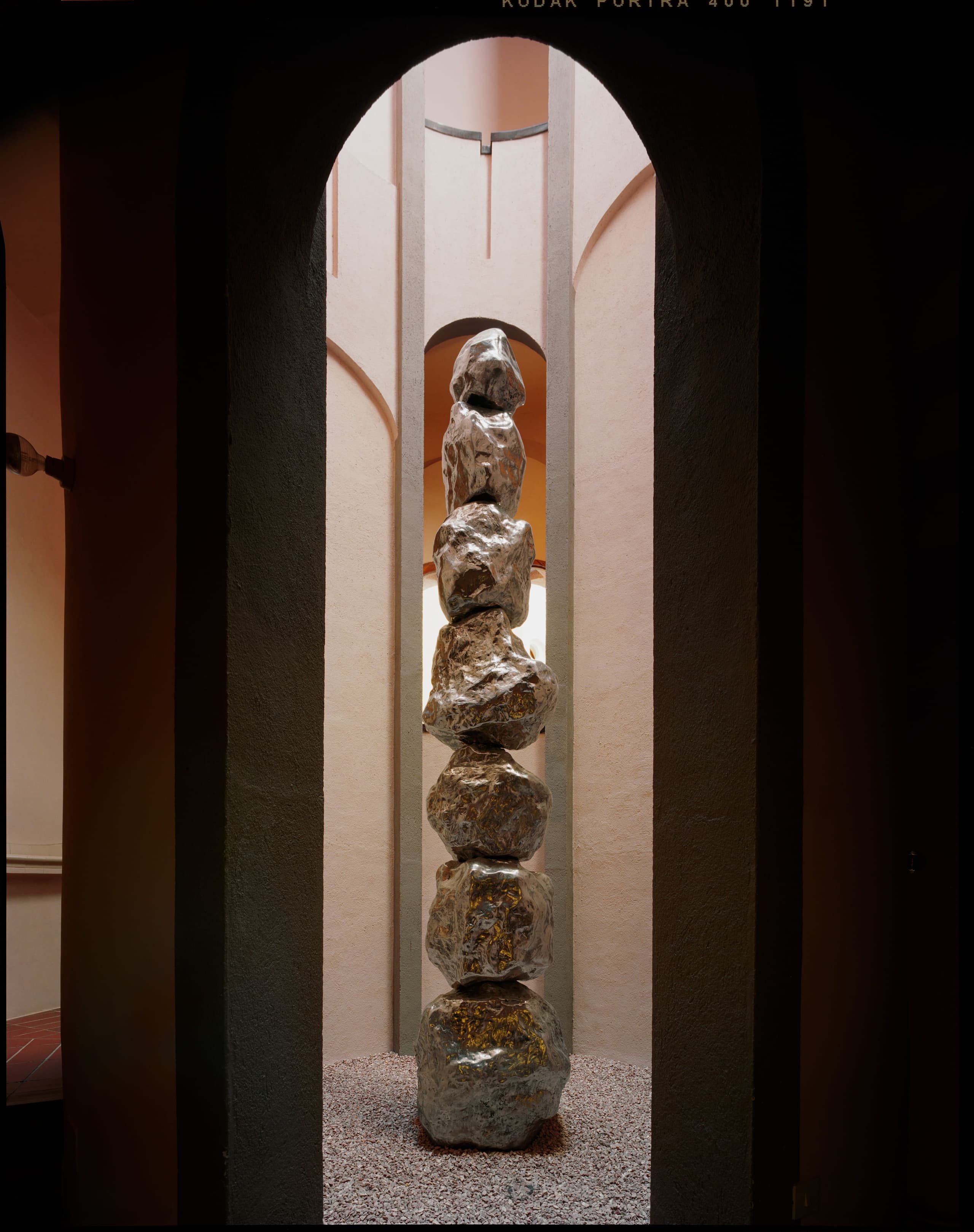
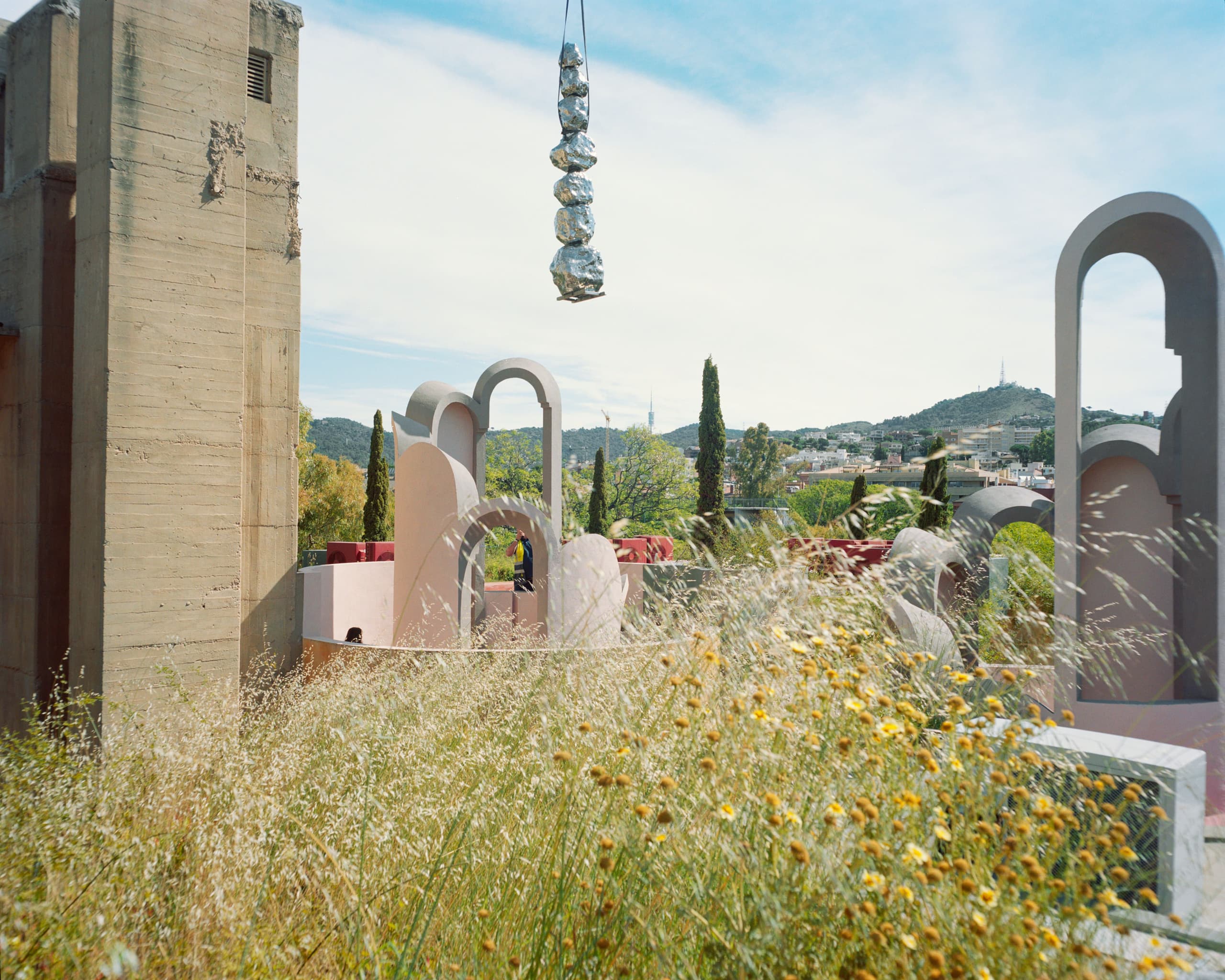
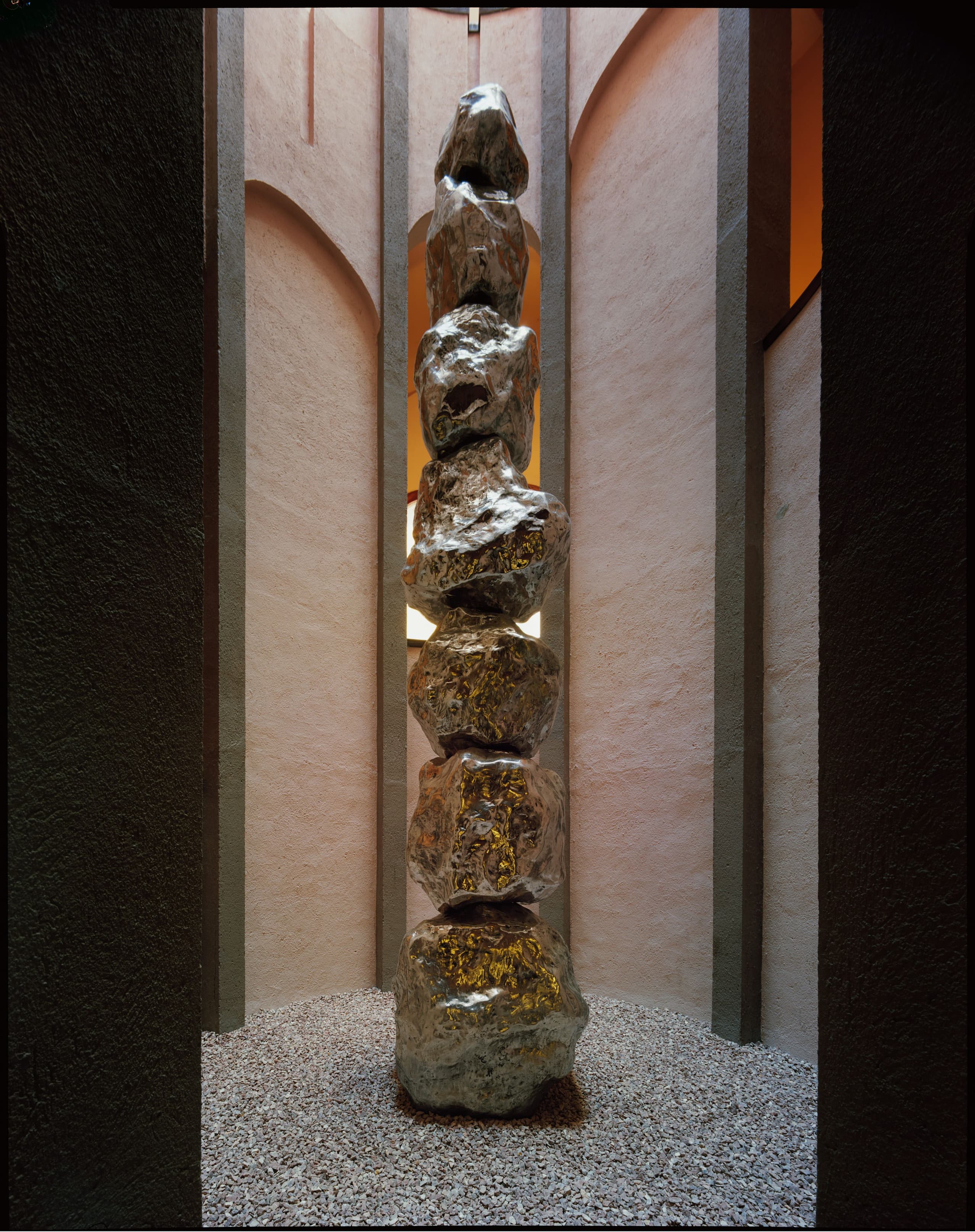
Three hundred kilograms of silvery rock have landed at La Fábrica like a scene out of A Space Odyssey. It's a sculpture by Luna Paiva, who, having studied art history and archaeology at the Sorbonne, worked for a time in set design before she learnt to sculpt, after visiting a foundry in Argentina and feeling compelled to try her hand. Luna's interests remain consistent. She is attracted to the staging of the thing, as much as the thing itself. How it comes to be, where and by whom. The performance of this particular piece involves families of three types. The casting done by the father of an architect at La Fábrica, the film of its installation made by the son of the Taller's photographer, and the location first proposed by Pablo Bofill, Luna's husband. The work is called Totem and could commemorate many things: the people who made it, the occasion of its arrival, the accumulating history of this building, the family that works here.
DIRECTED BY HÉCTOR CIVERA
DIRECTOR OF PHOTOGRAPHY GABRIEL VENTOSA
MUSIC & SOUND BERNAT BRONDO
EDITED BY HÉCTOR CIVERA AND GABRIEL VENTOSA
My work often refers to archaeological patterns in different civilisations: the common thread linking cultures across centuries and between territories. La Fábrica is an archaeological site, industrial artefacts are gradually claimed and transformed by nature and thought. Past and future, intertwined, it’s an architectural landmark alive, effervescent and facing forward.
The totem asks us to pay attention to where we come from and who we are, both as individuals and communities. My ancestry is of both Europe and Latin America: Guaraní, Spanish, Scottish and Polish. Ancestries live together in harmony, in a body as they do in the totem. Nationalities, disciplines and generations of talent converge here in a monument. This has been essential to the Taller from the beginning.
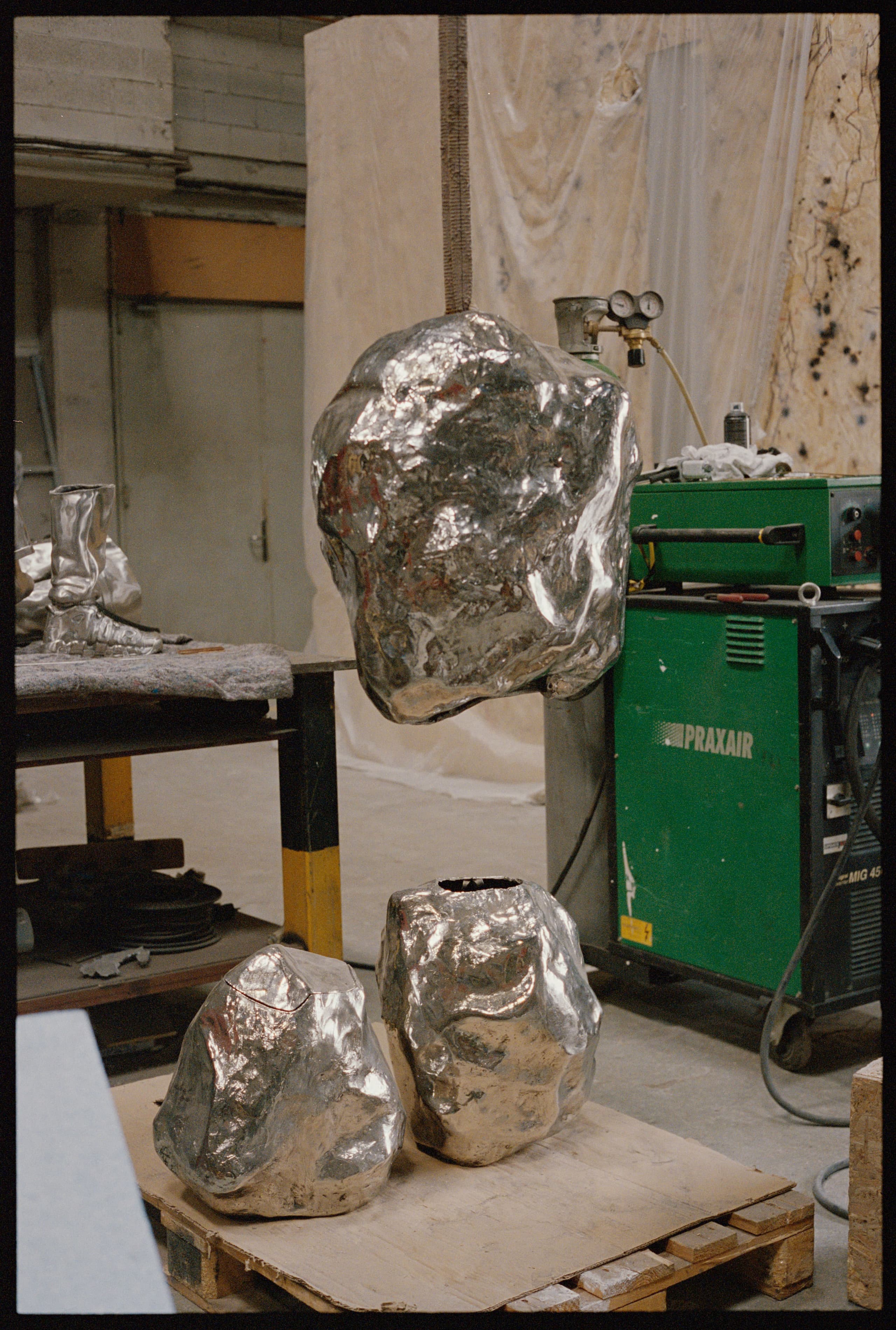
I began a series of totems in 2018 through the primary gesture of placing one stone atop another. I started modelling these particular stones two years ago, at my studio in clay at actual scale. They are imagined forms, not real stones, nothing found in nature. I wanted to leave that trace of a hand, unpredictable angles, clues that the stones could not happen without decision. The shape of every stone is honed as I work. A process a lot like making a portrait, which has a beginning and an end, although this is a portrait of time.
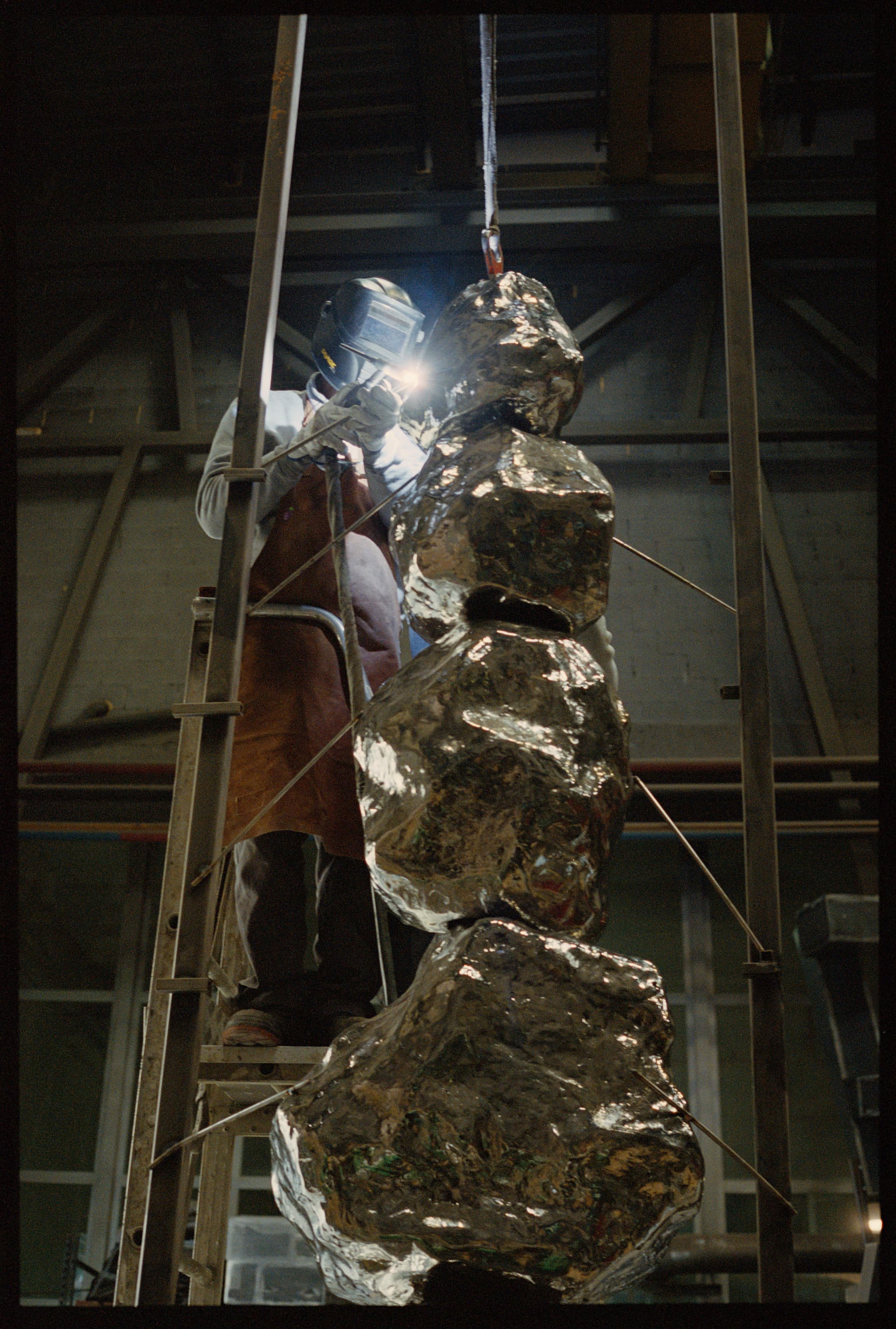
Once the clay left my studio, moulds were made and the lost wax process began. It is the same casting method used by Ancient Greeks working in bronze, only here applied to stainless steel. Wax is brushed in layers into the mould, building up a hollow shell that replicates the sculpture. The wax form is then repeatedly dipped in ceramic slurry, each coat dried before the next, until a thick heat-resistant casing surrounds it. The whole thing goes into a kiln: the wax melts and drains away – it is "lost" – leaving a precise hollow cavity inside the hardened ceramic. Into that space liquid metal is poured. For stainless steel, this means temperatures of around 1600°C.
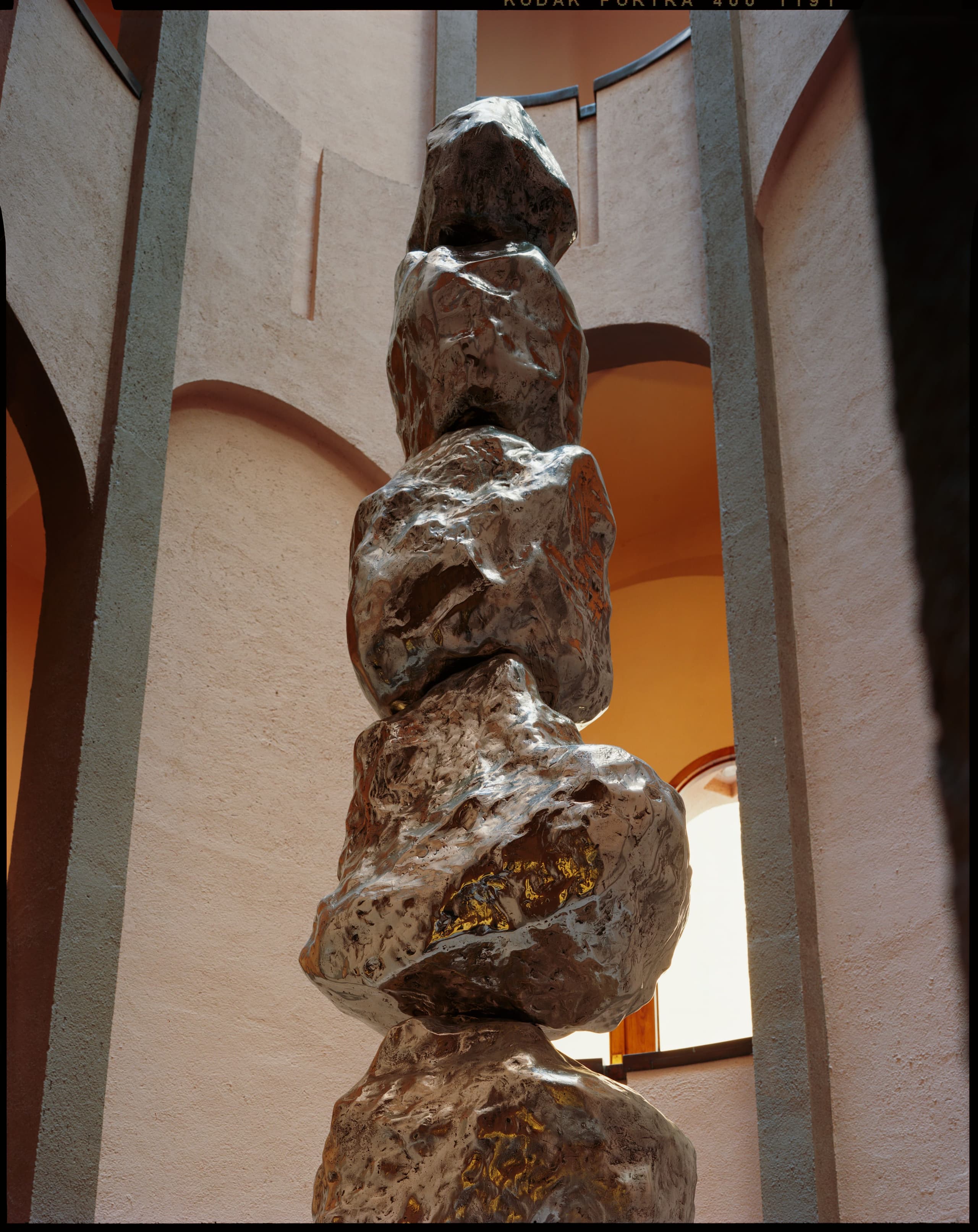
When Pablo suggested we put the sculpture here I felt intimidated; this building commands enormous respect. I had to remind myself that it has also been an open place to people and to their ideas. La Fábrica leaves its mark on all who pass through it but it also receives their influences. From that point of view I felt I could contribute too.
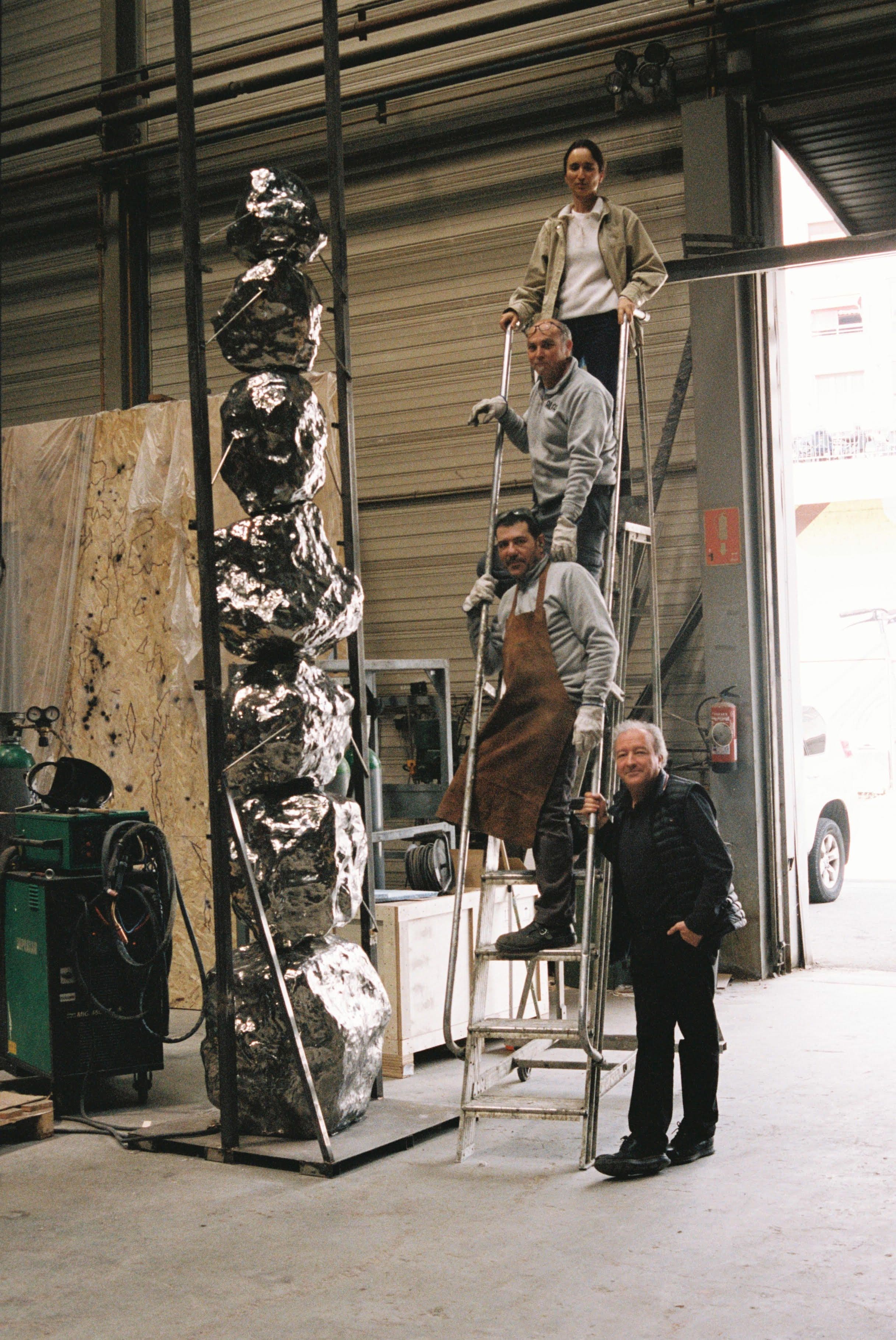
The foundry I work with is a cooperative in the Basque Country called Alfa Arte. Nadia Rodriguez is the daughter of one of the founders and members, and an architect at the Taller. She took charge of this installation. Her father has since retired, which makes this one of his last projects. Pooling and crossing skills across generations and disciplines. That is the spirit of the Taller and of our family.
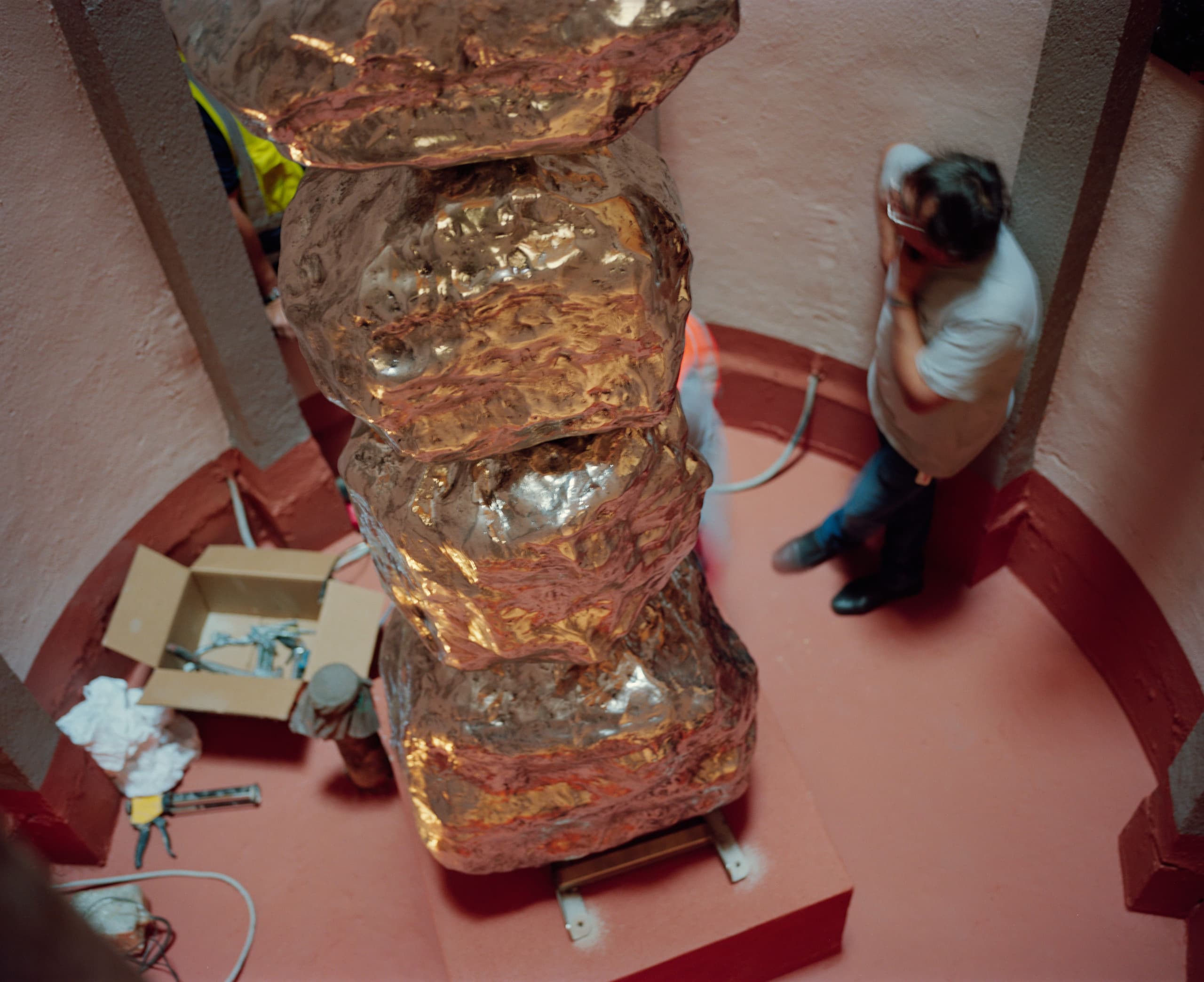
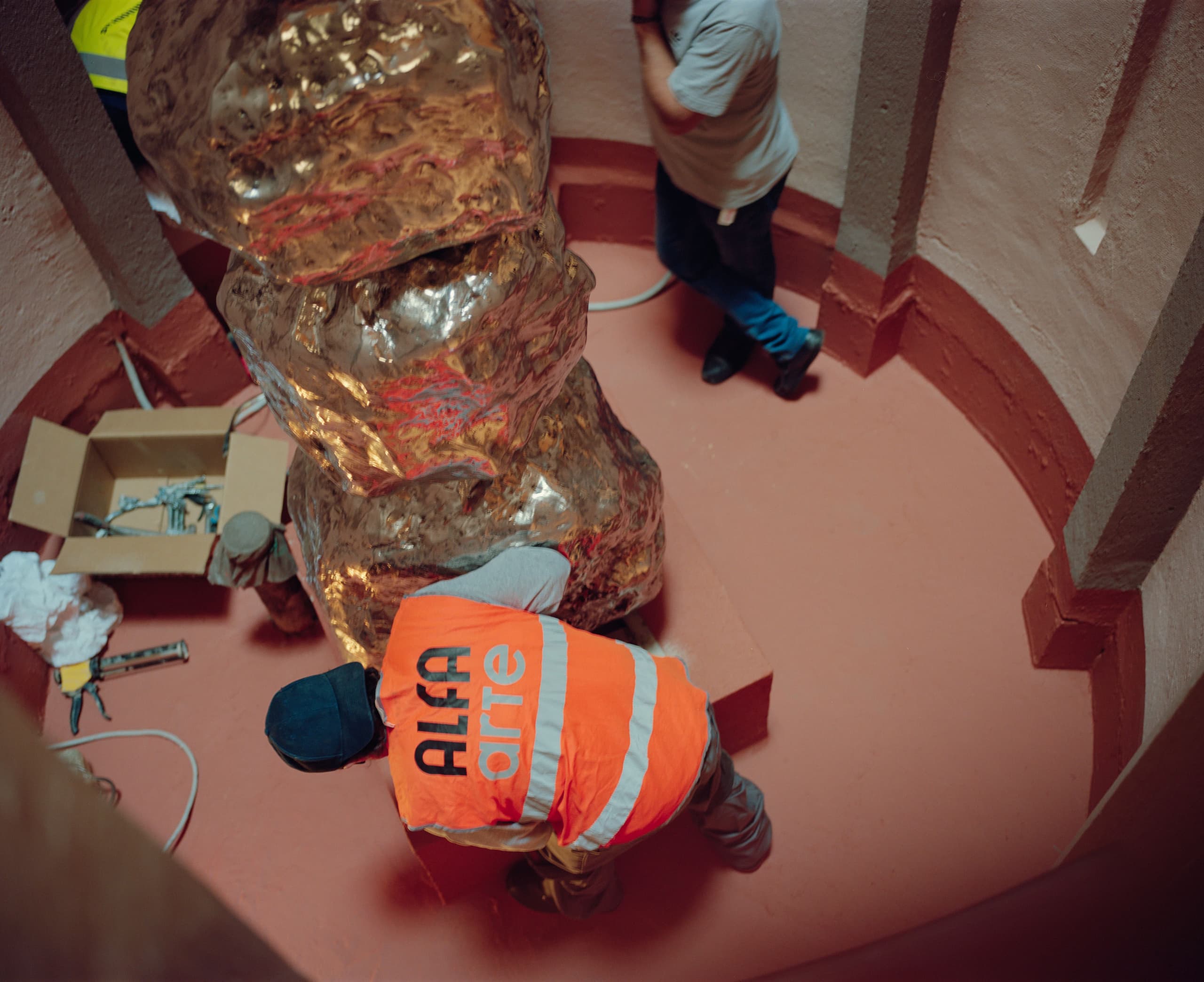
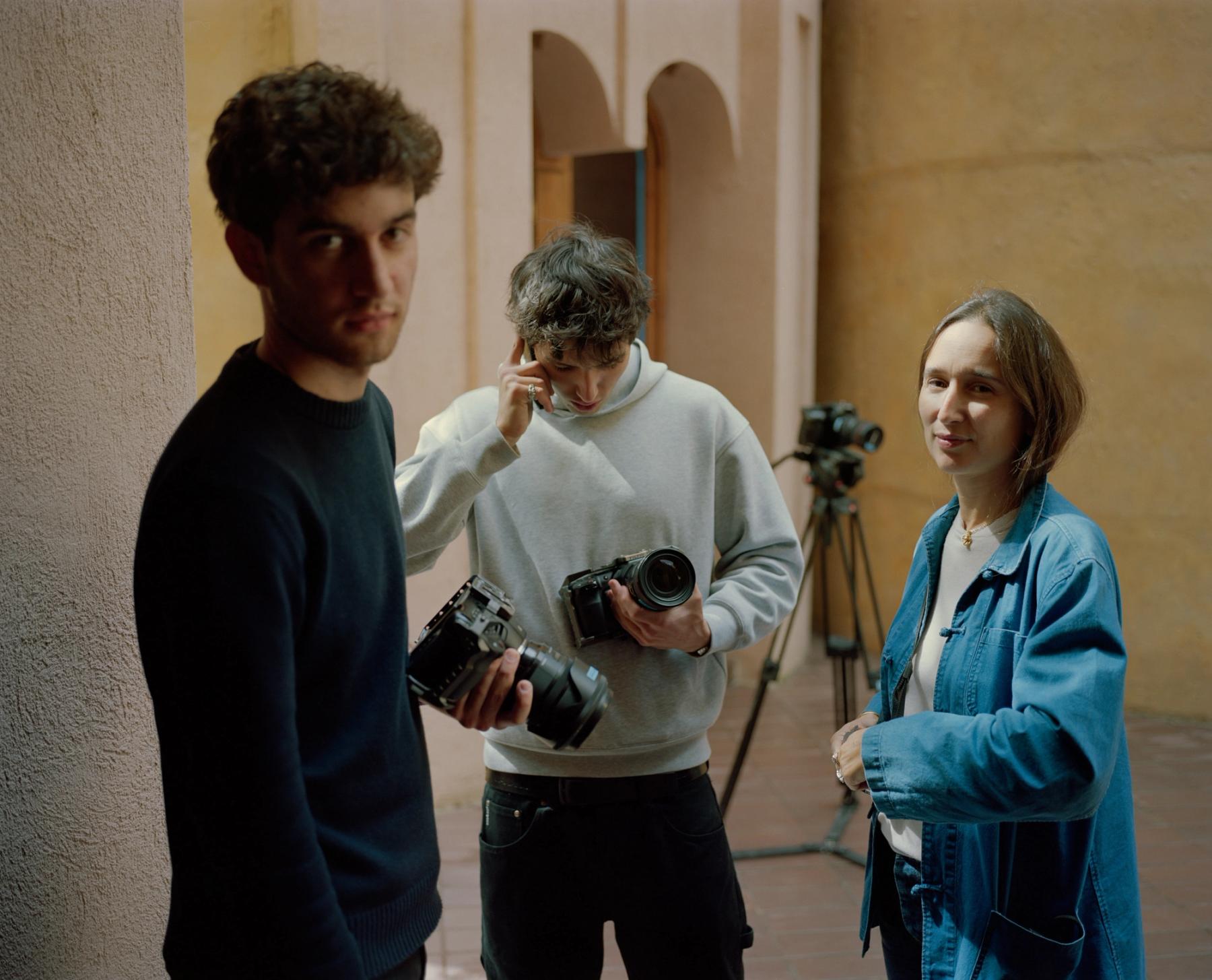
Héctor Civera filmed the installation with collaborators Gabriel Ventosa and Bernat Brondo. He is a theatre student and the son of Gregori Civera, whose photographs are among the most iconic of the Taller’s work, and who also captured the sculpture suspended on the crane. We were all looking up through our lenses as the sculpture rose above La Fábrica. Like the scene in La Dolce Vita, where Christ floats over Rome suspended from a helicopter. To see it flying over the rooftops – at some point I felt almost like I had made the sculpture to create that scene.